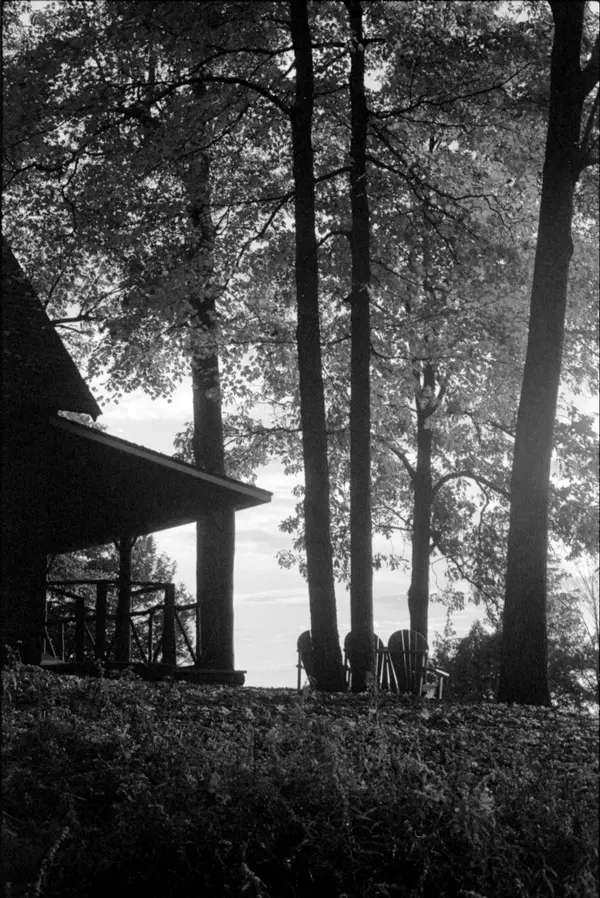
Going Green & The Future of Homebuilding
2019’s U.N. Environment Program report showed that the energy used to build and operate our buildings accounted for almost 40% of the world’s carbon dioxide emissions in the year prior. According to the latest United Nations Environment Program report, investment in the energy efficiency of buildings is now rapidly climbing, totaling over $180 billion in 2020, up from $129 billion (in 2020 dollars) in 2015. Because of the exponential growth of the effects of climate change in recent years, many home designers and architects are doing what they can to mitigate the damage to our environment that their industry creates.
Enter, net-zero homes.
To simplify the terminology, a net-zero home creates as much electricity as it will use over the course of one year. This renders these homes virtually environmentally neutral, and could be a huge development in the fight against climate change – many call them “the homes of the future.” Lucky for us, they’re available today. Joe Emerson, founder of the Zero Energy Project, calls zero-energy homes “an irreversible market trend.” Thinking about building a net-zero home, or retrofitting your traditional home with energy efficient features? Keep reading to learn more about the advantages of going green.
Saves $$$ (long-term)
No doubt about it: net-zero homes can be quite pricey – upfront. The newest technology in energy efficiency certainly isn’t cheap, but the immediate costs are often offset by how much (or should we say, how little) homeowners spend on their electric bill over time. With an energy-efficient home, electric bills can be a fraction of the cost of traditional homes. So, if you’re willing to spend more upfront, you can save big on bills in the long run. There are also substantial state-specific tax incentives for owning a net-zero home – check Vermont’s out here. And if you save more electricity than the average home’s expected use, your green home can generate more than you use, and your local utility company could provide credits for the excess power you put back into the grid – this is called net metering. So investing in sustainable power is not only good for the Earth – it’s also good for your wallet.
Go solar
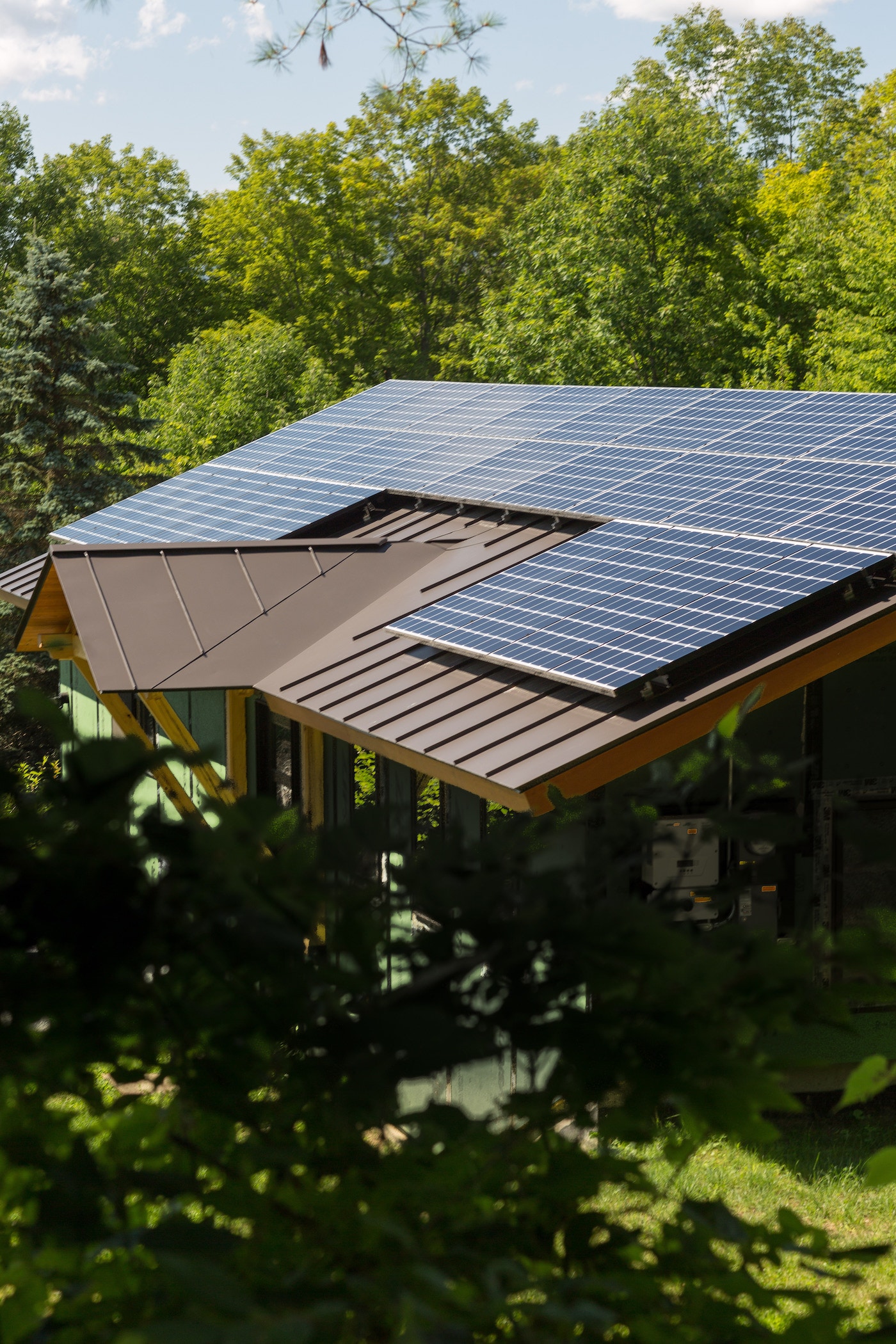
Even if you don’t want to retrofit your whole home, investing in solar energy is an incredible way to cut down on your long-term electric costs, take advantage of net metering, and do your part for the planet. When it comes to mounting, ground and roof are the most common locations. Roof mounting takes up less space on your property, and is less expensive than ground mounting because you’re using a pre-existing structure as a foundation. Ground mounts are more expensive to install, but allow more control over directional orientation to maximize energy production, and are easier to access for repairs. No matter which mounting system you go for, solar panels are a great first step towards future-proofing your home.
Clean, quiet & efficient
Because net-zero homes are built to be airtight – with great insulation, triple-pane windows, and more – green homes are often quite quiet, and easy to keep warm or cool. Their fresh air systems keep out pollutants, allergens, debris and moisture, helping keep mold, dust and dirt outside. Because many of these homes are built new, you can be assured that they’re constructed with non-toxic materials that are durable and safe for you and your family. Green homes are also designed efficiently. Zero-net, “efficient” homes are built on an East-West axis, with most of their windows facing the South side of the home to make the most of the sun’s warmth and natural light.
Go modern or old-school
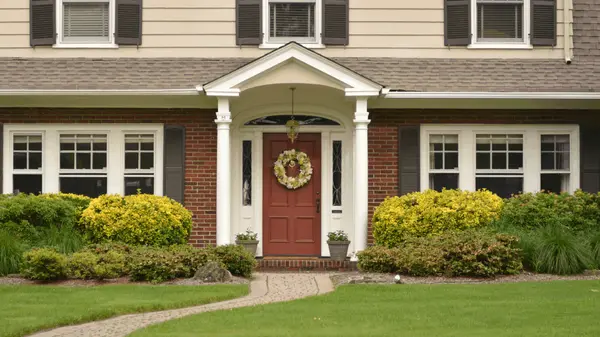
Because Vermonters love our planet, our state has plenty of local companies that are building green from the ground up. But if you have a soft spot for Colonial or Victorian style homes, don’t fret: you can still renovate to create the green home of your dreams. Though it can be slightly more expensive to retrofit a home, know you don’t have to go for the high-tech, modern look to live in a future-proofed property. In fact, Architectural Digest architect Vicki Yuan’s “favorite project types are the adaptive reuse where you’re kind of celebrating history and I don’t think that having to retrofit your house to high performing standards means that you’re going to compromise its aesthetics.” Huntington Homes out of East Montpelier, Vermont offers energy efficient, farmhouse style homes at a great value.
Higher resale value
As the demand for net zero buildings surpasses supply, the homes of the future are becoming more and more desirable for potential buyers. Less efficient homes are likely to lower in value over time as energy efficient homes become “the norm.” Many home buyers and builders are trying to stay ahead of market trends by investing in green homes. However, not everyone has the time or patience to take part in the construction process of a net-zero home, so if you build and eventually decide to sell, the time and effort put into construction may show in the selling price. If you’d rather buy than build (despite the potentially higher price tag), rest assured that because the green home trend is picking up, there should be more turnkey net-zero options on the market relatively soon.
And, of course, better for the environment
With more and more efforts being made to reverse climate change and take responsibility for our effect on the planet, it’s easy to understand why net-zero homes really are the homes of the future. With efficient dishwashers, toilets, washing machines, and more, you’ll save water. With LED lighting, electric stovetops, and an efficient heating and cooling system, you’ll use less gas and electricity. Investing in the health of our planet is one of the most meaningful investments we can make, and green homes make it easy – not to mention the other perks.
While we love Vermont’s collection of traditional, classic homes, we’re excited to see more properties hit the market that can help us put the planet first.
If you're interested in building green, check out our blogs on building a home on land in Vermont, what to know when buying land, and things to consider before construction for everything you need to know, and connect with us to find your very own slice of Vermont today!
Categories
Recent Posts
GET MORE INFORMATION