A Guide to Invasive Plants in Vermont
There is something undeniably breathtaking about a Vermont field in full bloom, from purple and yellow blooms stretching toward the hills to roadsides alive with color. But if you own property in the Green Mountain State, some of what you see might be quietly working against you.
Invasive plants are non-native species that have been introduced to Vermont’s ecosystems. These plants often spread aggressively, outcompeting native plants. Unlike native species, invasive plants often have no competitors to keep them in check, allowing them to take over fields, forests, and lawns at an alarming rate. Early identification of invasive plants can make a real difference.
This guide will walk you through six of the most common invasive plants found on Vermont properties.
Lupine
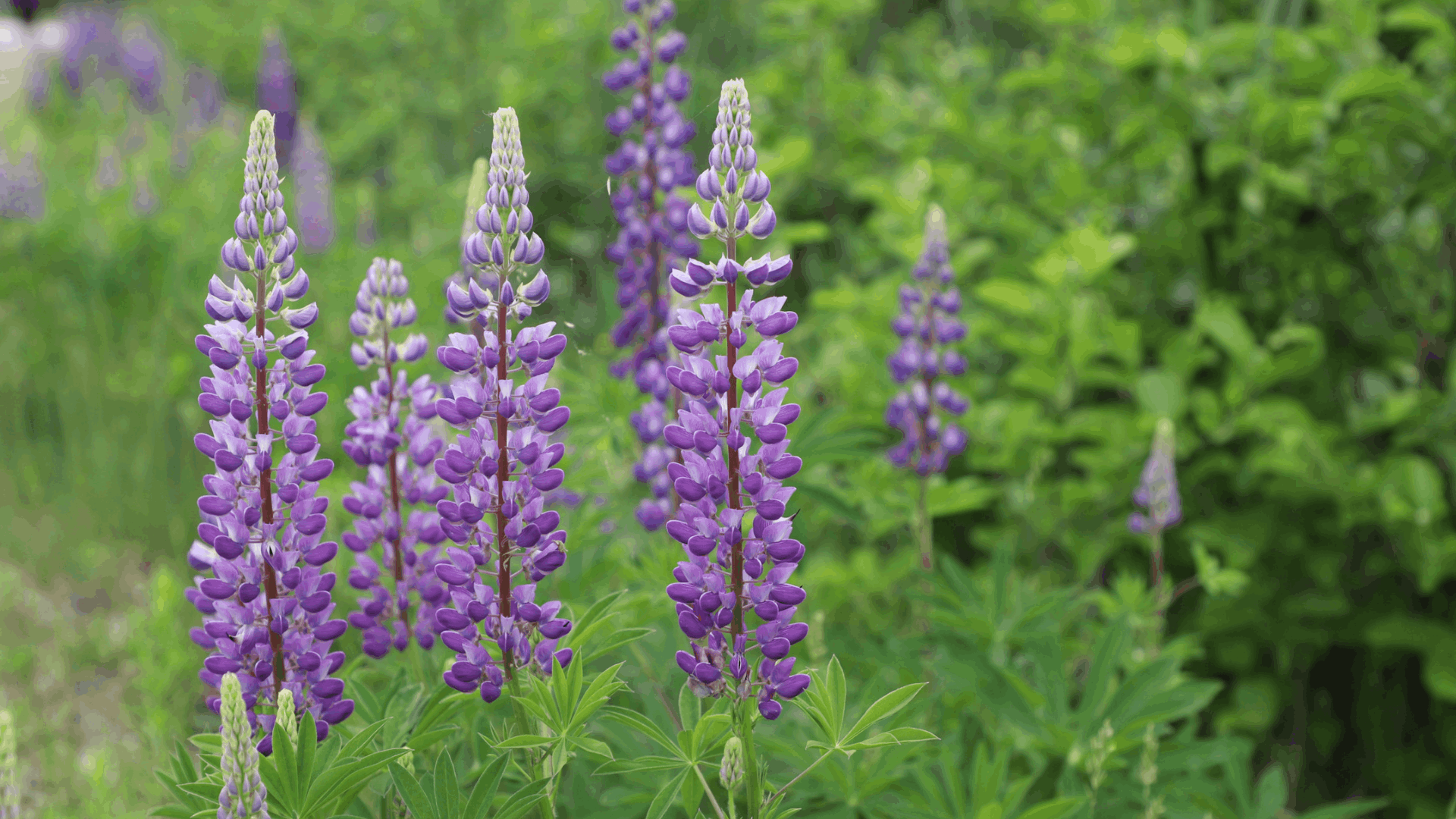
With its tall spikes of violet-blue flowers, lupine is one of Vermont’s most recognizable roadside plants. Originally introduced as an ornamental species and used for erosion control along highways, lupine has escaped cultivation and now forms dense colonies across northern Vermont fields and meadows. Lupine is a nitrogen-fixing plant which means that it alters the composition of the soil around it, making conditions less hospitable for native wildflowers and grasses.
What to look for:
- Tall spikes (two to five feet) with dense clusters of pink, purple, or white flowers from May through June
- Fan-shaped leaves radiating from a central point
- Seed pods that look like small pea pods
Creeping Buttercup
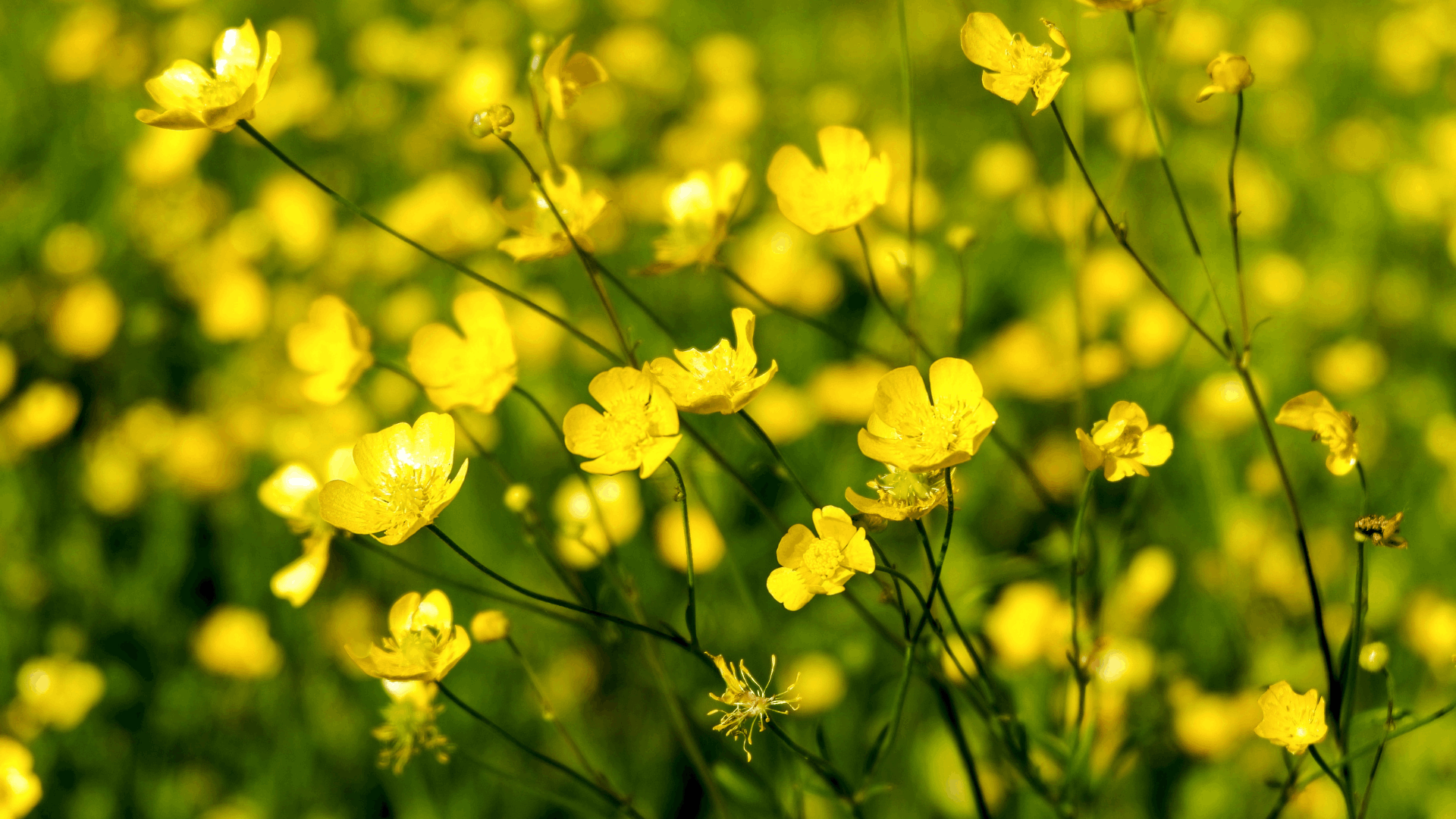
Creeping buttercup may look harmless, but it is a powerful invader of Vermont lawns, pastures, and fields. It thrives in wet and compacted soil and spreads rapidly, forming thick mats that smother grasses and other low plants. For landowners with livestock, creeping buttercup creates additional concerns. This plant contains toxic compounds called protoanemonin that can cause blistering of the mouth and gastrointestinal distress in cattle, horses, and sheep.
What to look for:
- Small, glossy yellow flowers with five petals in April through June
- Deeply lobed, three-part leaves
Canada Goldenrod
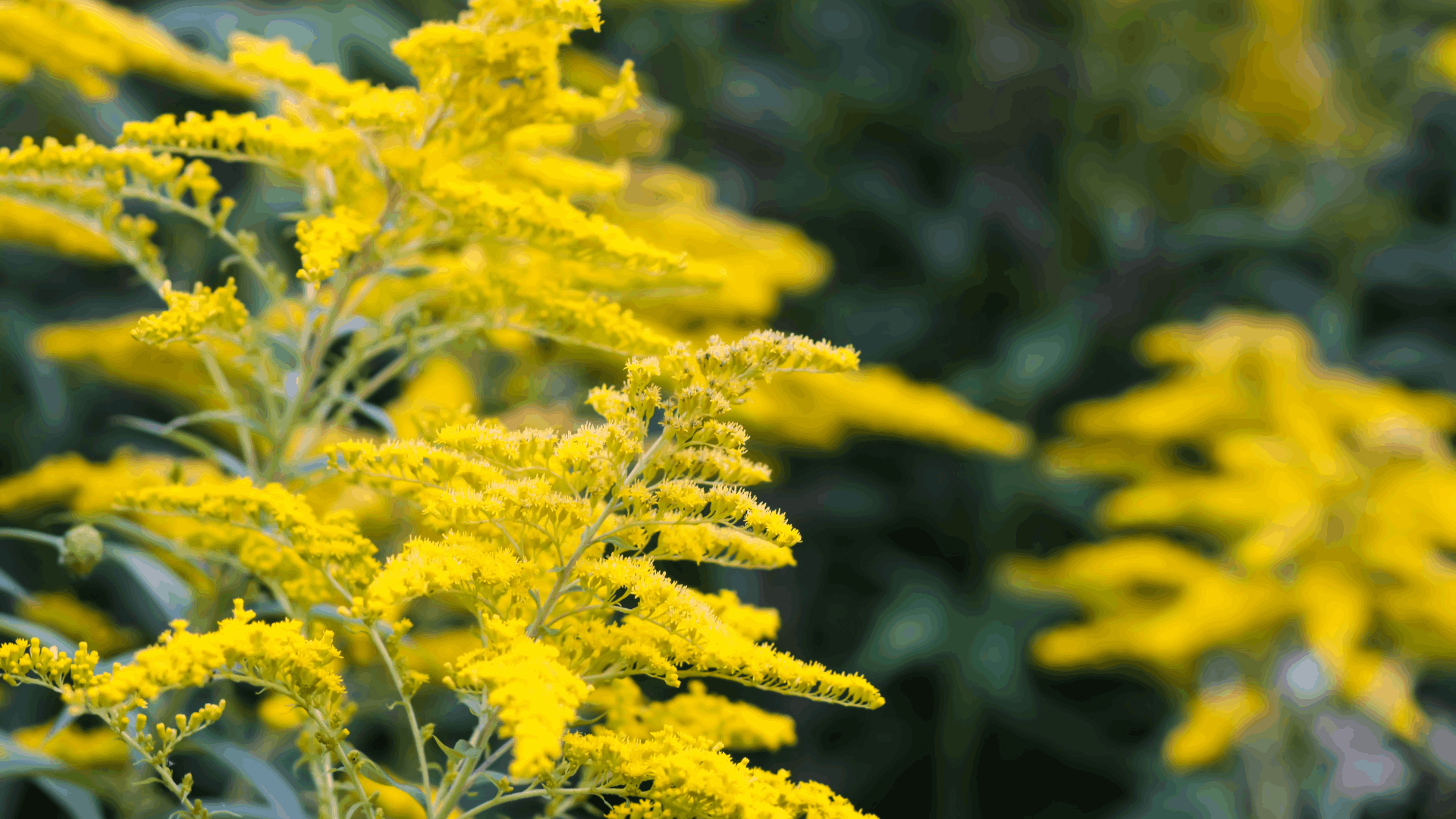
While Vermont is home to several native goldenrod species that provide an important habitat for pollinators, Canada goldenrod is considered an aggressive invasive concern in many parts of the state. Canada goldenrod spreads by seed and by extensive underground rhizomes, allowing it to rapidly spread across fields and meadows. It can reduce plant diversity by shading out smaller species and monopolizing soil moisture and nutrients.
What to look for:
- Three-to-five-foot-tall arching plumes of bright yellow flowers in August through October
- Lance-shaped, toothed leaves along a stiff central stem
Japanese Knotweed
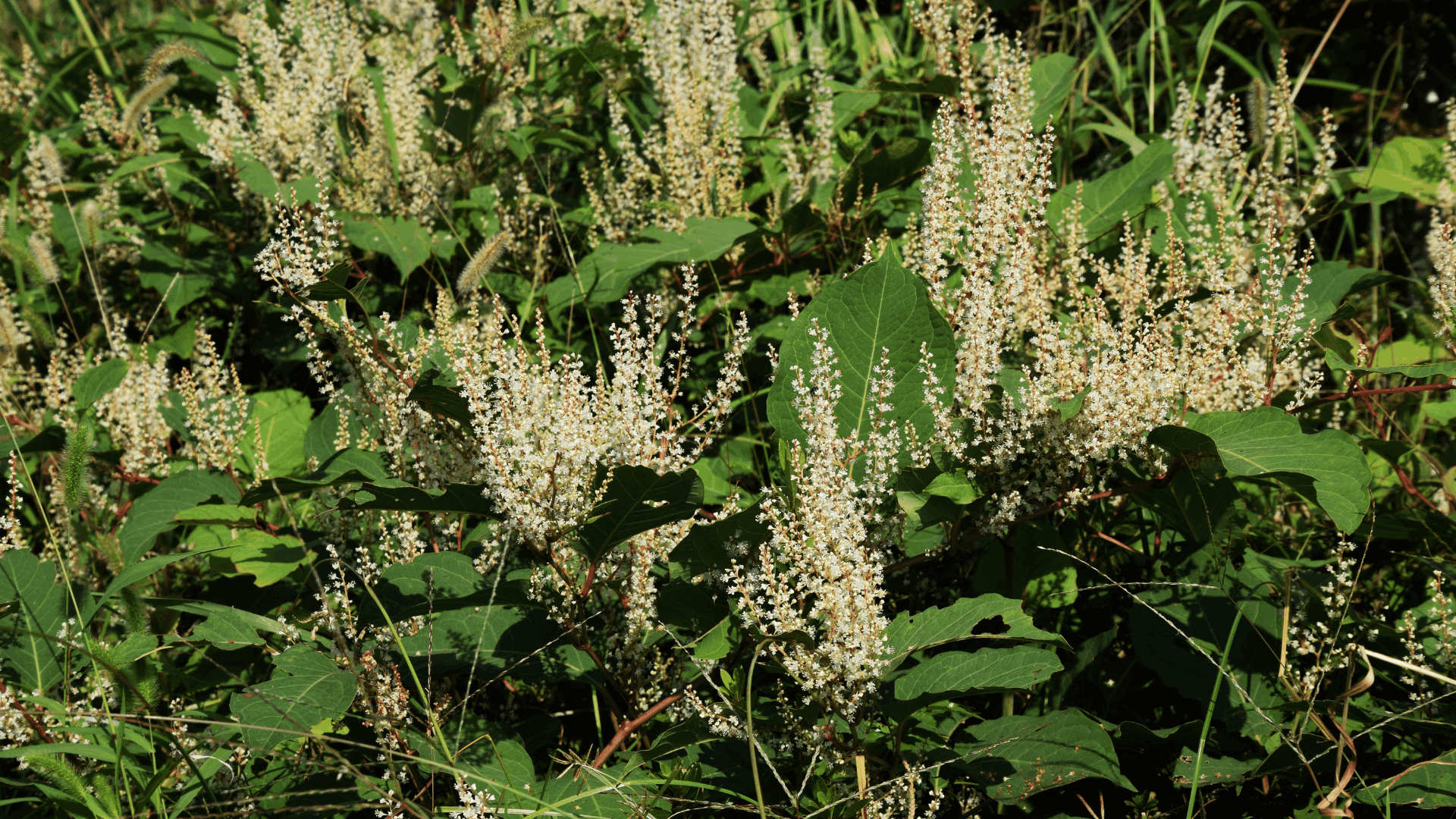
Considered to be one of the most aggressive invasive plants, knotweed is a serious concern for Vermont property owners. Knotweed spreads through a resilient root system. Its roots can extend up to ten feet deep and are capable of forcing through asphalt, concrete, and even building foundations. It can re-sprout after repeated cutting, herbicide applications, and burial. Removing this invasive plant can involve a multi-year, committed management effort.
What to look for:
- Hollow bamboo-like stems with distinct nodes, growing six to ten feet tall by midsummer
- Large shovel-shaped leaves up to six inches wide
- Clusters of small white flowers in late summer
Garlic Mustard
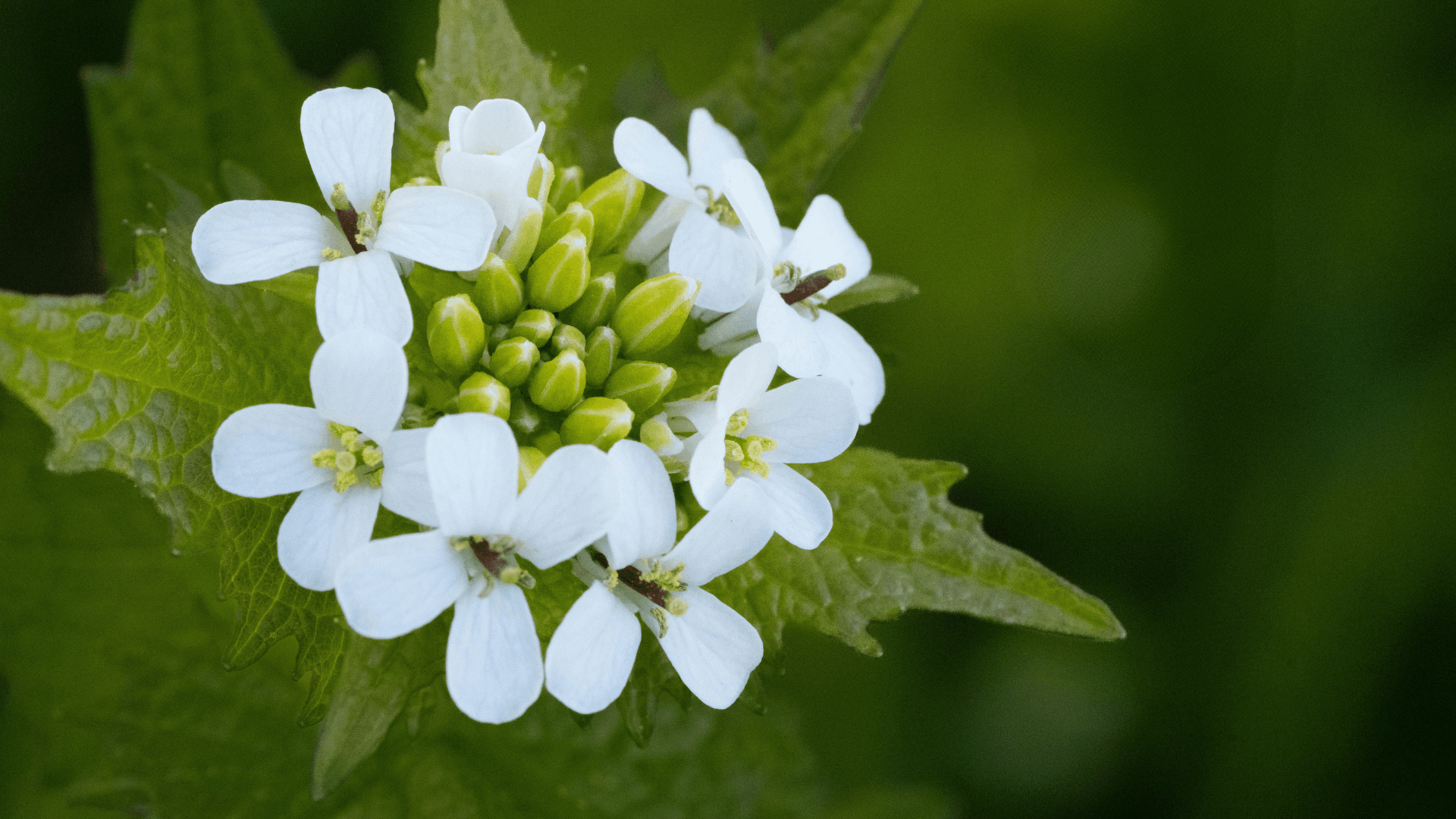
Garlic mustard is a highly effective invader of Vermont’s woodlands and forest edges. Introduced from Europe in the 1800s, it has since spread across the eastern United States. This plant releases compounds into the soil that interfere with fungi that native trees, shrubs, and wildflowers depend on for nutrient uptake. This can suppress the regeneration of native tree seedlings and reduce spring wildflower diversity.
What to look for:
- Clusters of small white four-petaled flowers on tall stalks in May through June
- Heart-shaped, toothed leaves that smell like garlic when crushed
Purple Loosestrife
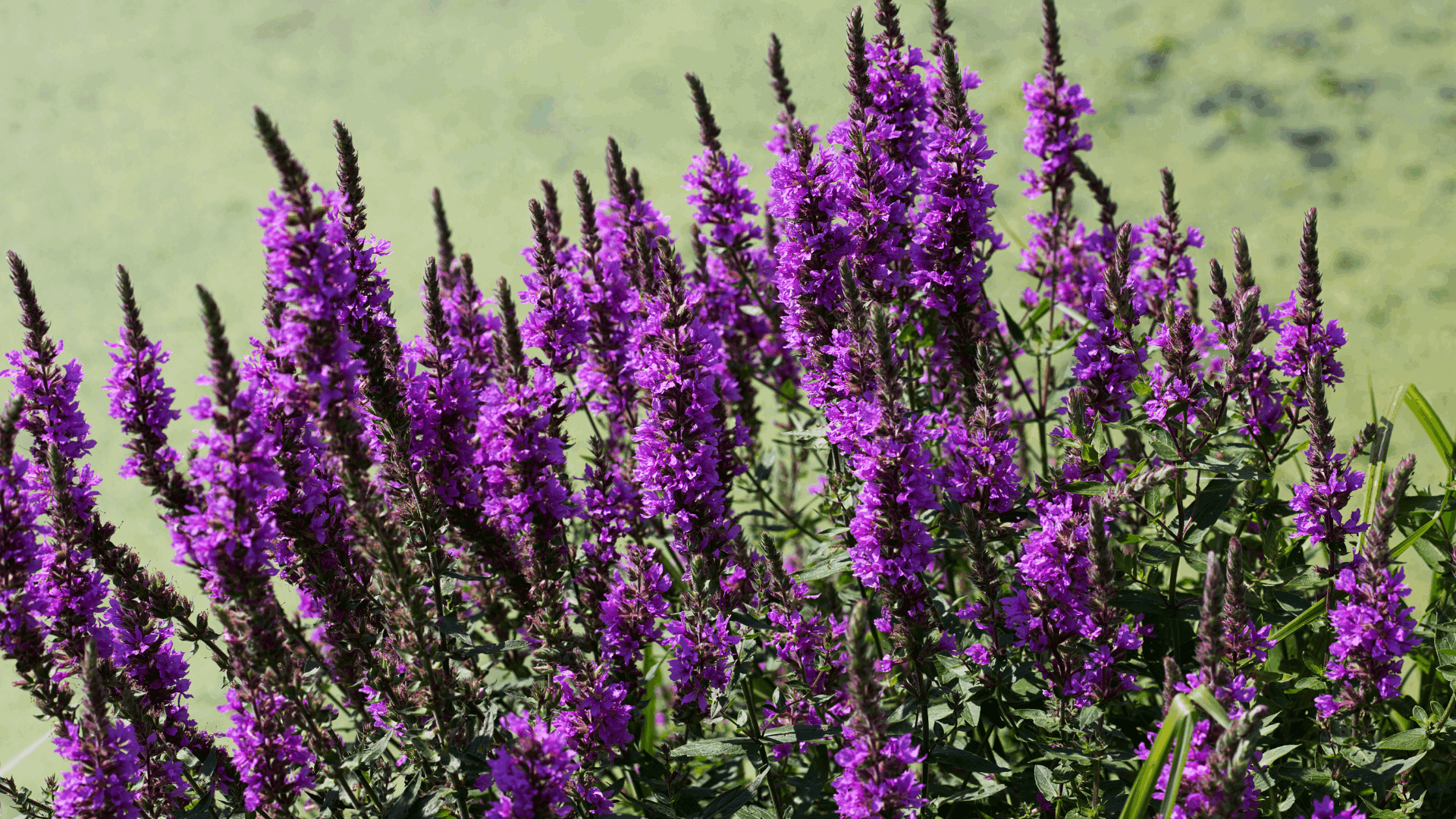
Purple Loosestrife is frequently mistaken for a desirable ornamental plant, producing striking spikes of magenta flowers. Unfortunately, this invasive plant has the ability to devastate wetlands. A single mature plant can produce up to 2.7 million seeds per year, and its dense growth outcompetes native cattails, sedges, and rushes that provide an important habitat for waterfowl, fish, and amphibians. Once in an established wetland, purple loosestrife is extremely hard to remove.
What to look for:
- Two-to-six-foot-tall spikes of vibrant magenta flowers in July through September
- Lance-shaped leaves in opposite or whorled pairs along a square stem
Why This Matters for Vermont Property Owners
Beyond ecological damage, invasive plants carry consequences for anyone buying, selling, or stewarding land in Vermont:
- Property value: Severe infestations can complicate sales, affect appraisals, and raise red flags for buyers.
- Legal obligations: Vermont’s Noxious Weed Law and related regulations restrict certain invasive species.
- Neighbor relations: Invasive plants don’t respect property lines. Managing your land protects your neighbors too.
- Habitat and water quality: For properties with streams, ponds, or wetland areas, invasive plants can degrade water quality and increase erosion.
Complete eradication is often achievable, but consistent, informed management can stop the spread and restore native diversity. Walk your property in spring and summer, when most invasive species are easiest to spot. Manual removal is most effective on small infestations and should be done before plants go to seed. Regular mowing can help to weaken plants like goldenrod and lupine while targeted herbicides may be needed for severe Japanese knotweed infestations.
Removing invasive species creates a wonderful opportunity to reestablish native Vermont plants that support pollinators, birds, and the broader ecosystem. A healthy plant community is the best long-term defense against reinvasion.
Want more information about maintaining your Vermont home? Read our collection of blogs.
Categories
Recent Posts




GET MORE INFORMATION