
Bring Green Cheer Inside!
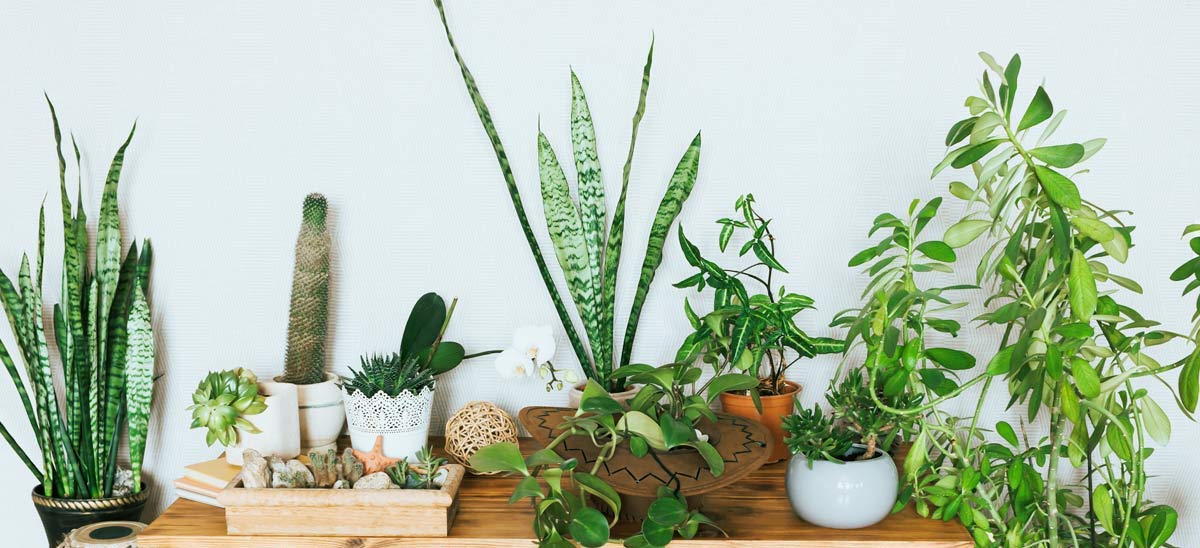
When the days are cold and spring still seems so far away, we can all use a little boost of cheer to get us over the finish line and into the warmer, brighter days ahead. One way to do this is to add a little greenery to your space!
Whether or not you've got room to spare or limited square footage, or if you're a plant expert or a first-time plant parent, we researched the best plant options for every space! From indoor trees to mini herb gardens, adding a beautiful plant (or 10!) to your home will breathe life and beauty into a room, improve air quality, and boost moods.
When choosing a new plant, consider elements in your space that could impact the health of the plants or those living in your home. Be sure to check if your new plants are safe for pets and children, especially if they'll be in a place where little mouths can chew on low-hanging leaves. Think twice about Oleander, Pathos, Peace Lily, and Ivy; these plants aren't always safe for pets and children.
When considering your plant's health, look around your house to see if forced air, a woodstove, drafty windows, or lack of sunlight will impact a plant's ability to thrive. But don't stop reading if you have any or all of these elements in your home! There are still plants that can survive and grow in drier or darker areas.
Looking for Low Maintenance Plants?
Let's face it, Vermont is not a lush, warm, humid jungle that supports many species of plants. But this doesn't mean we can't have beautiful greenery in our drier, cooler, or darker Vermont homes! These green goodies are not only easy to maintain. Still, they are also relatively low maintenance if you're getting into plant parenting for the first time.

ZZ Plant
The ZZ plant is a very tough houseplant. Not only does it do well in low light and arid conditions, but it is also an excellent choice for cooler spaces. These plants grow slowly to a height and width of around two or three feet, so they will not outgrow their container quickly. Keep the ZZ away from overly curious pets and children, and always wash your hands after handling it to avoid skin irritation.
Geraniums
Geraniums can be a delightful indoor plant for colder rooms, as long as you make sure they receive a few hours of direct sunshine every day. Indoors, geraniums need lots of light for blooming but tolerate moderate light conditions. They also need indoor temps of around 65-70 degrees F. (18-21 C.) during the day and 55 degrees F. (13 C.) at night. Indoor or potted plants may require repotting once they become overgrown, usually noted by wilting between waterings.
Jade Plant
Like the geranium, the jade plant will be excellent for colder rooms...if you have enough sunshine. In colder temperatures, they stay dry for a very long time. Just in time for St. Patrick's Day, this plant is considered a symbol of good luck. With a little TLC and proper jade plant care, your pretty jade plant might one day become a stunning jade tree.
Sago Palm
This plant, which is not actually a palm, is a hearty houseplant from the southern part of Japan. It tolerates a wide range of temperatures, including very cool temperatures. Sago palms are slow growers and may only gain one new frond each year, growing a mere two to three inches annually. Be sure your plant is watered appropriately and has well-drained soil to not dry out between waterings. The Sago palm is sensitive to these elements, so many people choose unglazed terra cotta pots to ensure that the excess moisture can evaporate through the porous material.
Want to Add a Little Color?
Green is good, but what if you want your houseplants to have a little something extra? Consider one of these following few options if you're looking to add a little pop of color to your houseplant collection.

Nerve Plant
A plant with a genuine personality, this beauty has the most stunning leaves with white, red, or pink veining. It's also quite communicative, wilting when it needs to be watered. You don't want to let it dry out too much, but water it when you start to see a slight drop in the leaves. It grows best in medium indirect sunlight and still thrives even if placed away from a window. Just make sure to protect it from cool air or drafts. It would do well in a bathroom, too, since it prefers a humid environment. This plant is also pet-safe.
Maranta
Also known as a prayer plant, the Maranta's leaves like to move around quite a bit, raising and lowering depending on the time of day. Its variegated leaves are stunning and can include different green and even bright pink shades. It does best in medium to bright but indirect sunlight and needs water about every one to two weeks. You can usually tell when it needs water because its leaves will look consistently droopier. Bonus! This plant is safe for children and pets!
Fresh Cut Flowers
If you are NOT into maintaining plants, never underestimate how much joy fresh cut flowers can bring to your space! In colder months, some of the best options are Pansies, Violets, Winter jasmine, and English Daisies. Still, some local florists and grocers can get their hands on other varieties as well if you're looking for something more exotic.
Function? Beauty? Why Not Both?
Herb gardens are a great way to add greenery into a space without taking up too much room while also getting a little something in return. Common indoor herb gardens include rosemary, mint, cilantro, and basil but can be created with your culinary needs in mind. For example, how amazing will it be to clip fresh cilantro for your next batch of salsa vs. getting an oversized or slimy bunch from the grocery store! Here are a few indoor herb garden options to get you started.

Basic Starter Kits
Start your indoor herb garden by visiting your local garden center for advice and supplies, doing your own research and supply gathering, or hopping online to pick out the perfect starter kit for your indoor gardening needs. These kits often come with everything you need to get your garden started and can include seeds, grow pods, fertilizer, tools, tips for growing, and pots.
Advanced Grow Systems
If you are looking for something more advanced than just some seeds and grow tips, entire grow systems have built-in lighting and easy-to-use plants pods. These are a bit more expensive but provide easy starter pods, the right amount of light, stylish and versatile grow stations, and subscriptions to make sure your plant pods and shipments reach you just in time for your next round of planting.
Educational Starter Kits
These kits are awesome educational activities for little ones. It let's them explore the science behind how plants grow and feel pride in knowing they helped cultivate something the family will use in a meal!
Making a Statement?
Get a tree!
Yup, we said it. But, you are not limited to just a little plant that sits on a shelf in the kitchen. There are options for small plants that become large, statement pieces in your home, or some that you can buy full-grown and maintain as floor-standing features that spruce up any space!

Rubber Plant
With sculptural and vividly colored leaves, a rubber plant is a sophisticated addition to any home. It will grow to fit your space and won't grow larger than the pot it's planted in. We're listing this under the make a statement/get a tree category because even though it may start small, it can grow to be up to 10 feet tall! Make sure your rubber plant is potted in well-draining soil—it won't do well if its roots are sitting in water. Then place it in bright but indirect sunlight. Watch for slightly droopy leaves to know when to water them, wipe down leaves, and mist them if the air inside gets too dry. If you have pets or kids that like to chew on leaves, this might not be the best plant for your home since it is toxic to both.
Schefflera
These are beautiful, almost floral trees with clusters of bright green leaves and are perfect for any beginner plant parent. We say this because they aren't picky plants. They mainly require well-draining, rich soil, adequate watering, and can grow in variable light conditions. The Schefflera will benefit from misting in drier spaces since it thrives more in humid climates.
Fiddle Leaf Fig
The fiddle-leaf fig is a beauty of an indoor tree. It features very large, heavily veined, and glossy leaves that look almost like fans sprouting upright from the trunk. A fiddle-leaf fig is bound to look perfect in any space and can grow to at least 6 feet tall. It's a reasonably fast grower and can be potted at any point in the year. They are not incredibly demanding plants as long as you dial in their growing conditions. In your space, be sure to rotate your fiddle-leaf fig every few days, so a different part faces the source of sunlight. This ensures that the leaves grow evenly and not toward the light in just one direction. Be sure to dust the leaves with a damp cloth every week or two to make sure plenty of light can hit the leaves for photosynthesis.
----------------------------
Now that you've brought some beautiful green cheer into your home, don't forget to check out 5 Tips to Help You Plan for Your Spring Garden so you can get ready for your outdoor spring planting as well!
Cheers!
Categories
Recent Posts






GET MORE INFORMATION