Ways to Heat Your Home in Vermont
Winter is right around the corner, meaning it’s time to start adding layers and bringing out the heavier curtains. As we get closer to the colder months, we’re taking a look at the different ways to heat your home in Vermont. Whether you’re building a new home and deciding how to heat it or are looking to replace your existing heating system, consider the pros and cons of each method so you can keep your household warm this winter.
Pros and Cons: Types of Heating Systems in Vermont
Most heating systems can be divided into four categories: electric, wood, hydrocarbons like oil, natural gas, and propane, and renewable energy.
Electric

Electric heating options include: air-to-water heat pumps, centrally-ducted heat pumps, and mini splits.
Air-to-Water Heat Pump
Air-to-water heat pumps pull heat from outdoor air, piping hot water through the home via radiators, underfloor heating, and hot water tanks. They can be used for both space heating and hot water for household needs, replacing a boiler.
These heat pumps are a newer technology that can operate at low air temperatures (down to -13 degrees Fahrenheit), making them a great choice for your Vermont home. They’re energy efficient with low operating costs and typically last about 20 years.
That said, they can often have higher upfront costs, though you can offset those with a rebate from Efficiency Vermont. Because they’re an outdoor unit, they are not as functional in significantly low temperatures (below -13 degrees Fahrenheit).
Centrally-Ducted Heat Pumps
Centrally-ducted heat pumps use a refrigeration cycle to bring outdoor heat indoors. It has both an outdoor unit and an indoor air handler that connect to your home’s duct system, using forced air heating to circulate it.
These systems have several benefits: they offer better air filtration, maintain consistent temperature distribution, and they can cool your home. A centrally-ducted heat pump also acts as a dehumidifier. On the other hand, they may require backup heat sources on sub-zero days. You risk wasted energy from duct leaks, and significant issues can require more complex maintenance. These heat pumps are incompatible with certain homes because of the space they take up.
Mini Splits
Also known as “ductless heat pumps,” mini splits draw outside heat into your home, even during low temperatures. Often wall units, they allow you to vary temperatures from room to room in your home.
Mini splits are energy efficient, easy to program, and easy to integrate with solar energy systems, whether you currently have them or are looking to install them. The outdoor air goes through a filter, improving indoor air quality, and they can also provide air conditioning.
Although there are benefits to maintaining varying temperatures in different rooms, this inconsistency may not suit your household’s needs. Mini splits aren’t as pleasing aesthetically because they are large units on walls. They also may require backup heat on especially frigid days.
Wood
The most common ways to heat your Vermont home with wood include: fireplaces, pellet stoves, and wood stoves.
Fireplaces
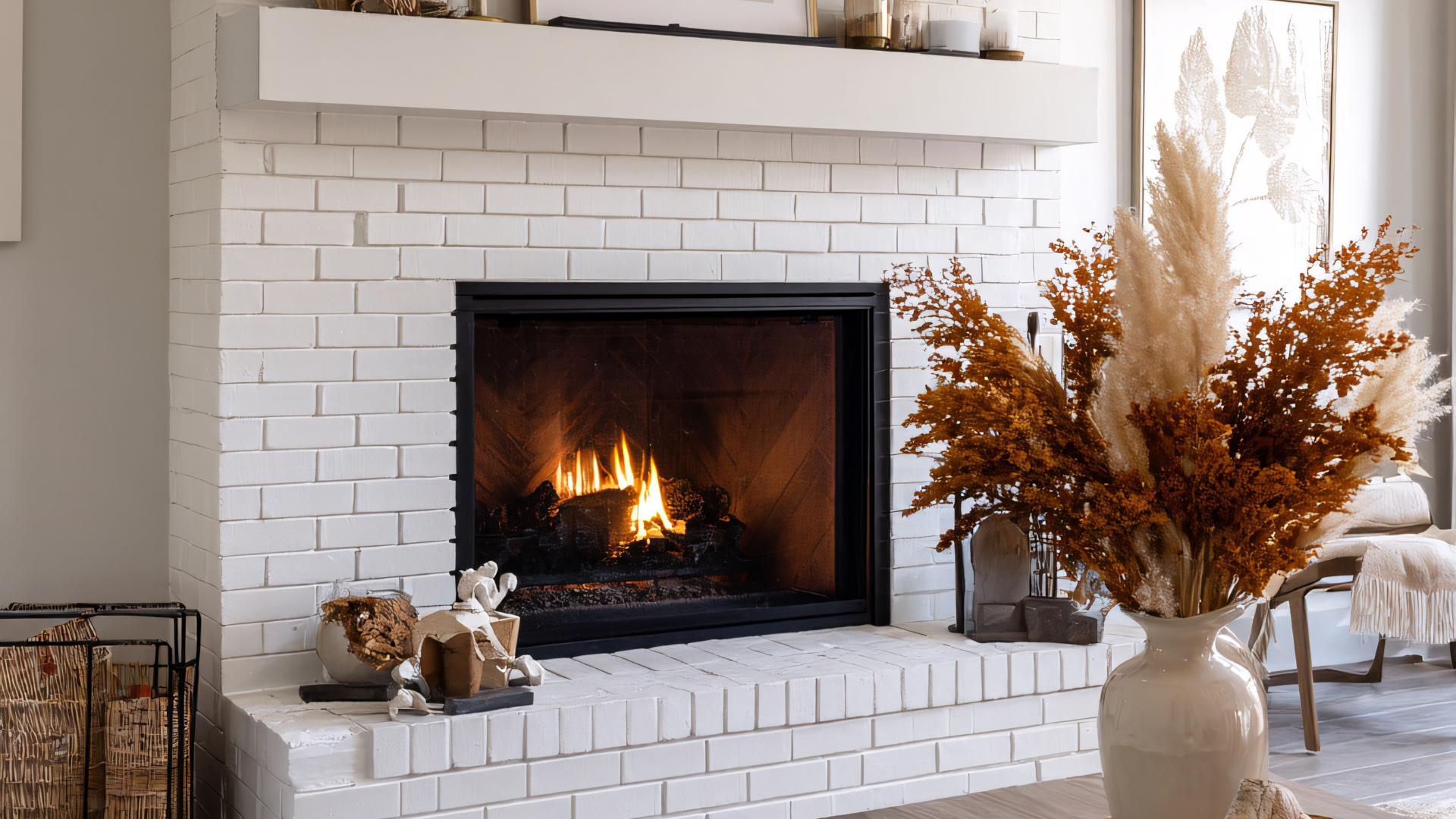
Fireplaces are great for warming up specific areas in your home, like a living room or den. Often, fireplace heat does not spread to other parts of the house, however inserting fans can help the warm air move more efficiently.
Fireplaces are mostly enjoyed for aesthetics; only some of the energy is considered useful heat, with the rest escaping through the chimney. When the fireplace isn’t lit, cold air can come in through the chimney. Chimneys need to be inspected regularly for safety reasons and cleaned by a chimney sweep at least once a year.
Pellet Stoves
Pellet stoves use an automatic feeding system to move wood pellets into a burn pot. The electric igniter starts the fire and the exhaust fan pushes the gases out of the stove. A convection fan blows the air over a heat exchanger, which then circulates the air. It self-regulates by speeding up or slowing down the amount of pellets it drops into the burn pot, depending on the temperature of the home.
Wood pellets are widely used across Vermont, making it easy to find them at local home improvement, lumber, and farm supply stores. Compared to other wood options, pellets can be more expensive because their manufacturing process—which includes drying, grinding, and compacting wood into pellets—adds significant cost. Keep in mind that pellet stoves need to be cleaned regularly to avoid potential damage to your home.
Wood Stoves
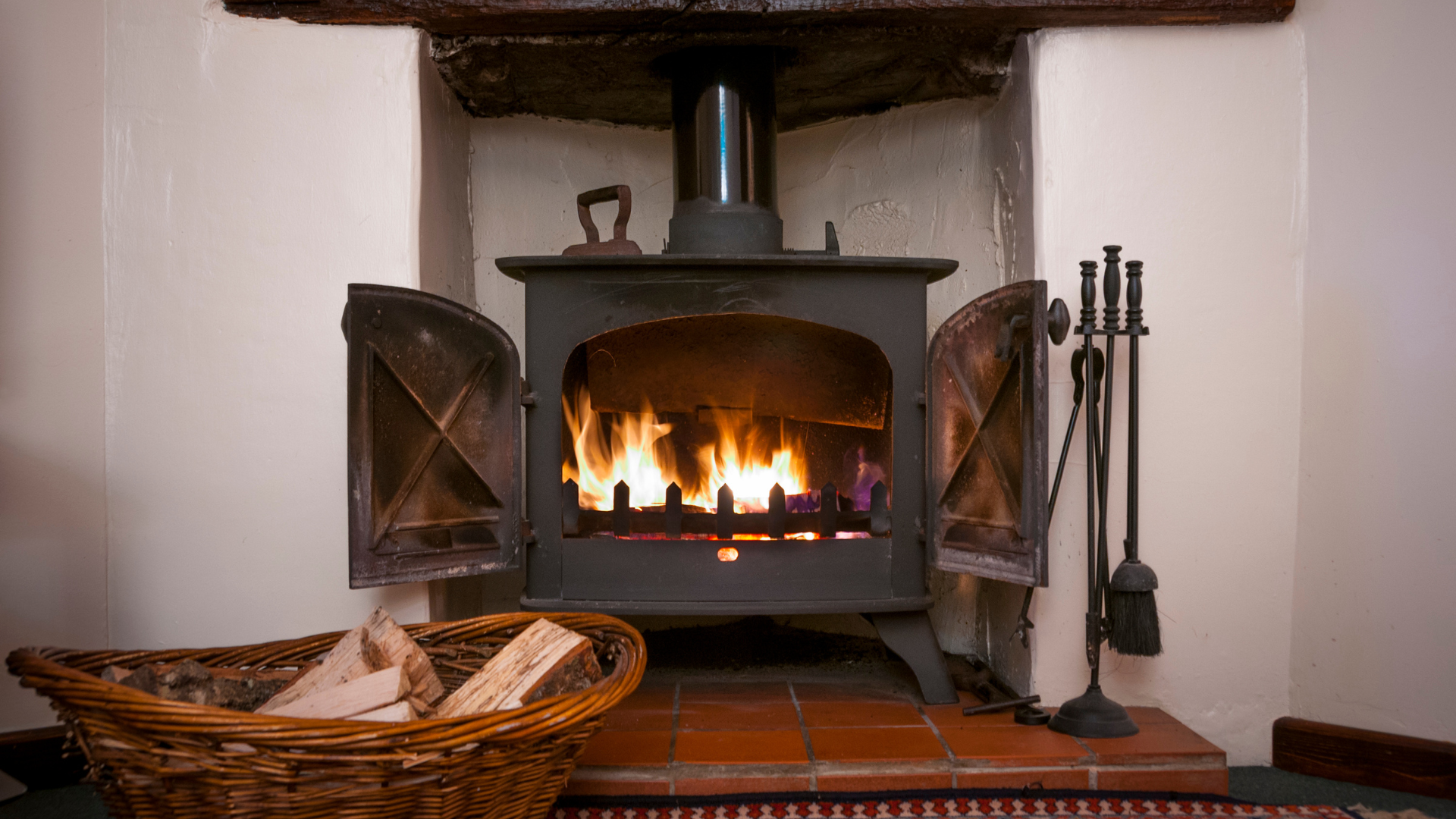
Wood stoves burn dry cord wood, dispersing heat off the stove’s surface and warming the surrounding area. You can install heat transfer kits and vents, which are designed to move excess heat to other parts of the house via small fans, ductwork, and vents installed in the ceiling. You can also use the fan (but not the heat) in your HVAC system to push warm air from room to room.
To increase a wood stove’s heat output, opening the intake dampers increases circulation and pushes warmer air out. Homeowners often use ceiling fans, circulation fans on the floor, or heat-powered stove-top fans to move warm air more efficiently throughout their homes. Just be sure to keep all interior doors open to allow the air to move freely.
In addition to being aesthetically pleasing, wood stoves emit a scent that many homeowners love, providing a cozy feel throughout Vermont’s chilly months. They operate without electricity—a huge benefit if you live in an area where the electricity often goes out due to weather conditions. Plus, wood is often cheaper than fuel, especially if you cut your own.
Wood stoves do have a few drawbacks: they need to be cleaned regularly for maximum performance, as does the chimney. Wood stoves can be fire hazards, so they need to be placed strategically to be both safe and effective.
Hydrocarbons: Oil, Natural Gas, and Propane
If you want your home’s heat to run on oil, natural gas, or propane, the most common choices are furnaces and boilers. Furnaces and boilers are the most widely used in homes across the state.
Furnaces
Furnaces burn fuel, most commonly natural gas, to heat hair that blows through your home’s air ducts through registers or grates in walls or floors. Furnaces work quickly, heating rooms almost as soon as the thermostat is set. They can also be adapted for central air conditioning, perfect for hot summer days.
Keep in mind that blown air from furnaces can cause allergens like dust and pet dander to spread throughout your home, which can affect people with allergies. They also require electricity to power the fan, which will increase your bill. Furnaces easily become old and inefficient, and many professionals recommend replacing them with high-efficiency heating systems.
Boilers
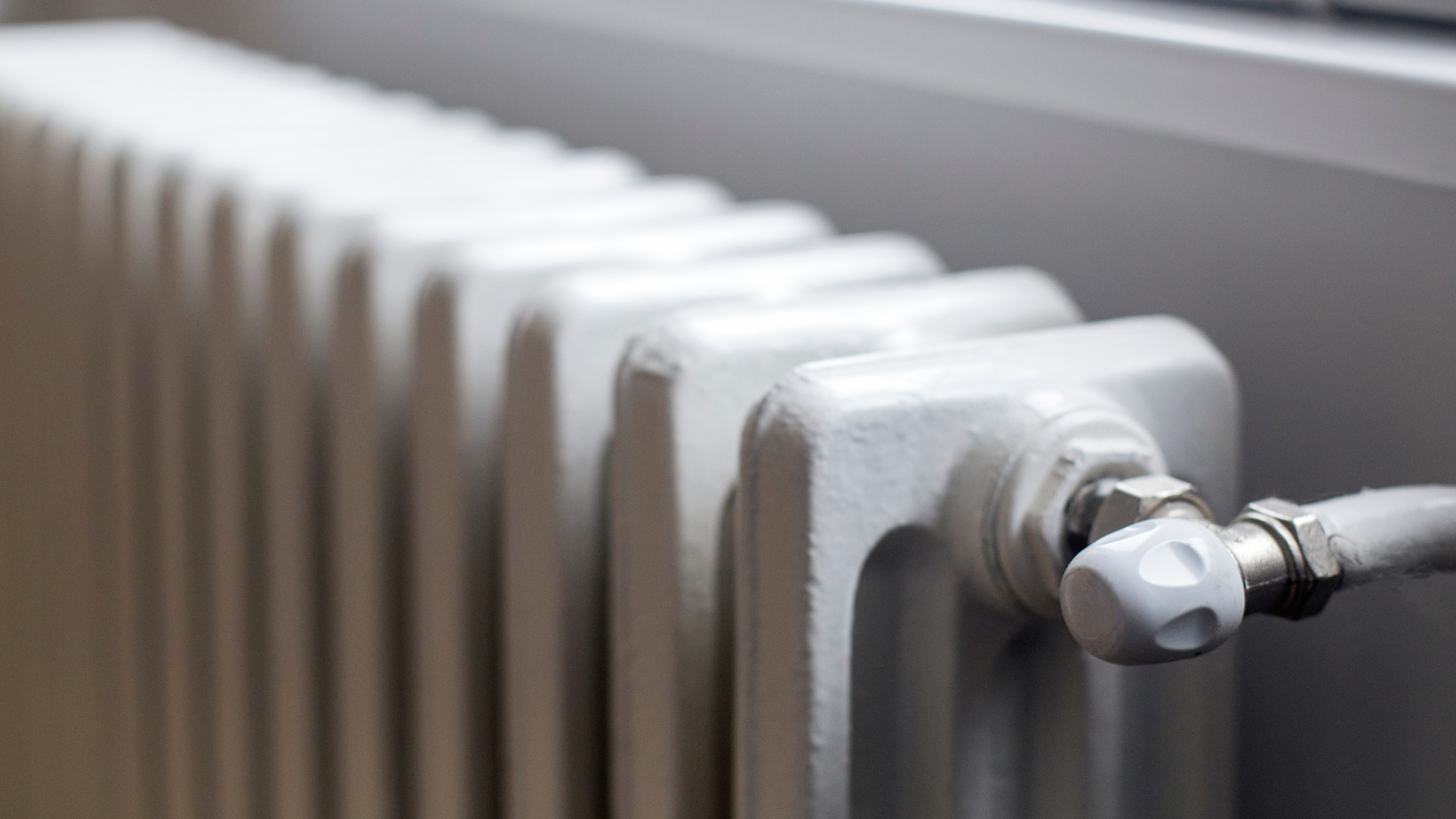
Boilers work by heating water and sending it through the pipes, heating baseboards, radiators, or radiant-heat hoses under floors. As heat is extracted from the water, the system sends the cooler water back to the boiler to cycle through the process again until the home reaches the desired temperature.
These systems eliminate the need for a separate water heater, freeing up storage space in areas like your basement or mudroom. Boilers heat slower than furnaces and, like furnaces, they wear out over time. Similarly, they use electricity to power circulating pumps, potentially running up your electric bill.
Renewable
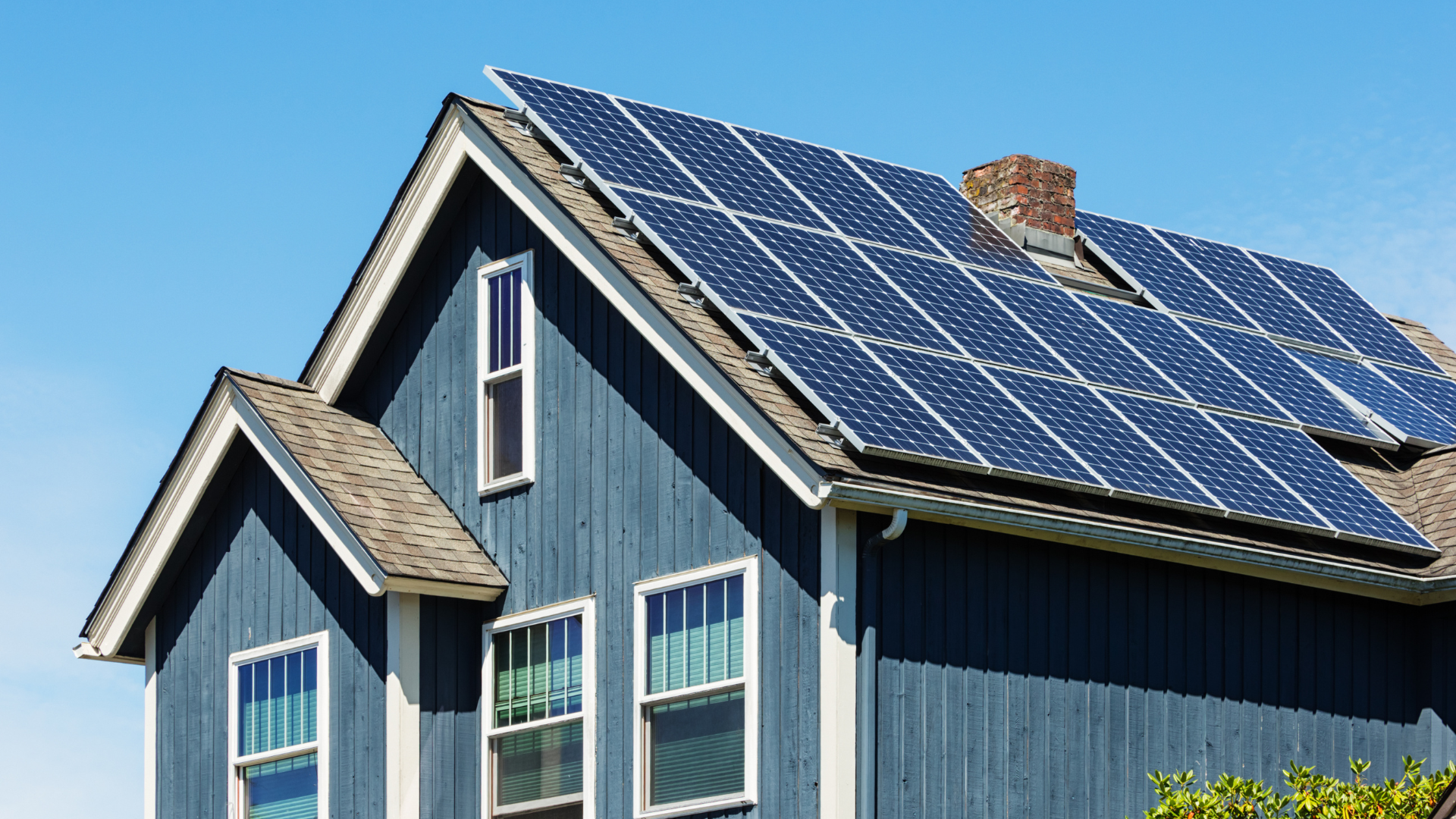
Renewable energy heating options in Vermont include geothermal heat pumps and solar heating. These are both great options for people looking to build a new home.
Geothermal Heat Pumps
Geothermal heat pumps use the earth’s stable temperature, which typically stays between 50 and 60 degrees Fahrenheit, to heat or cool your home. In the winter, a fluid moves through the pipes to absorb heat from the ground, which then transfers inside the building. The reverse happens in the summer, where the heat moves heat from the building into the earth.
This system is very energy efficient, helping you save on your heating and cooling costs. It also reduces your carbon footprint by avoiding use of fossil fuels to power your home. While geothermal heat pumps have lower long-term operating costs, they can have high up-front installation costs and require significant outdoor space, making them not the best option for all properties.
Solar Heating
When you use solar to heat your home, you’ll have to add a collector, like solar panels, to capture the heat from the sun. This energy from the sun’s rays transfers into a fluid that moves to a storage tank, which can then be used for hot water or space heating in your home. Solar heating has many advantages, including lowering your energy bills, reducing your carbon footprint, and even increasing your property’s value. However, solar panels can have high upfront costs and their reliance on sunlight may be cause for concern if you live in a particularly shaded area. Speak with a solar professional to find out what works best for your home.
Heat For Your Needs
Selecting the ideal heating system for your Vermont home comes down to your specific needs, budget, and long-term goals. As you weigh the pros and cons of each heating option, consider factors such as size and layout, existing infrastructure, and energy costs in your area.
Whatever direction you choose, investing in proper insulation and weatherproofing will maximize the performance of your heating system and keep you comfortable throughout Vermont’s winter months.
Our agents are experts in more than just buying and selling real estate. Speak with one of our knowledgeable agents to find out about maintaining your Vermont home.
Categories
Recent Posts






GET MORE INFORMATION