Burning Questions: Staying Informed about Vermont's Bonfire Rules
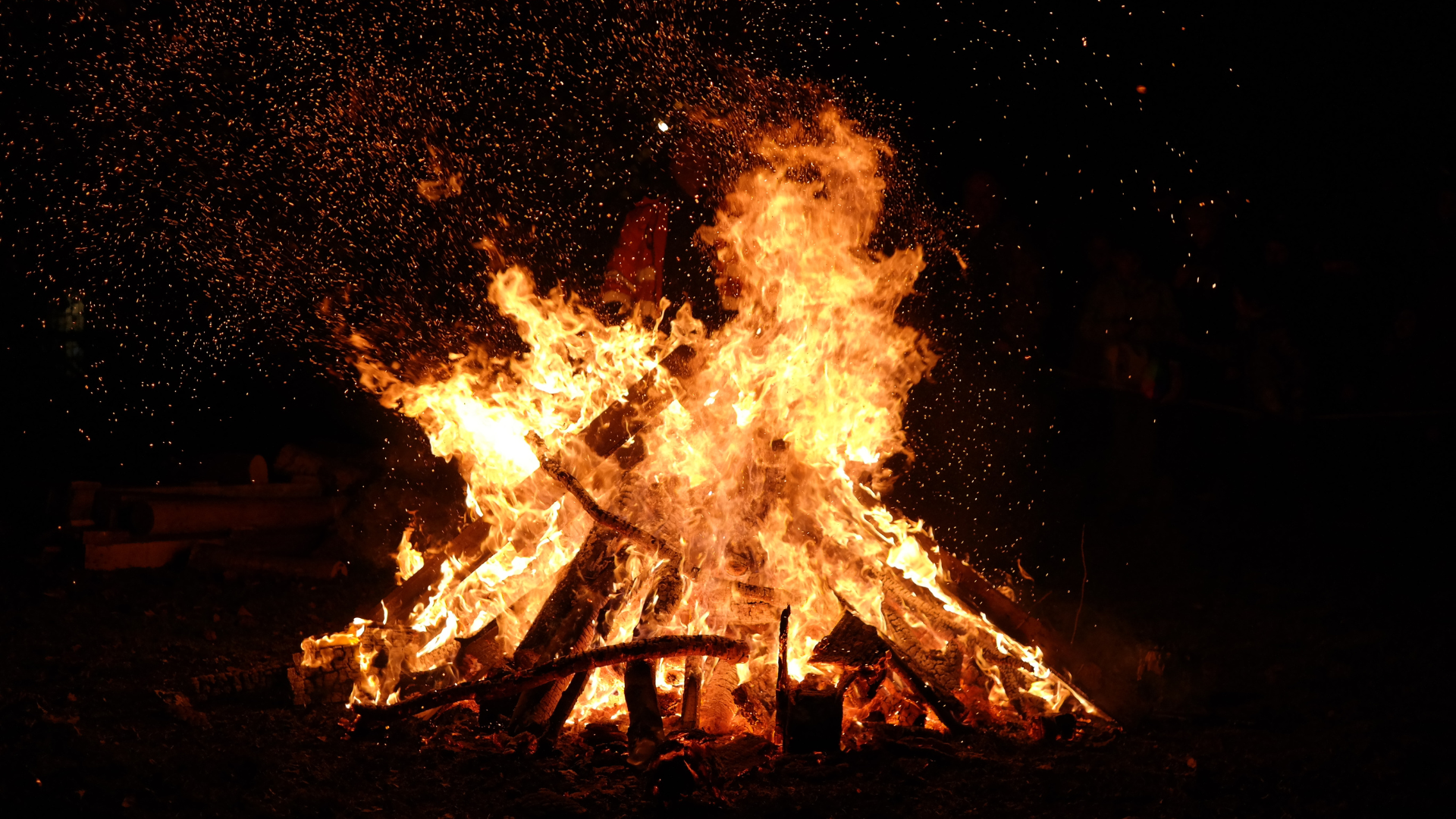
When you think of summer in Vermont, what do you think of? Hiking, spending time on the lake, grabbing a creemee? We love all of those things, but one of our favorite ways to end a summer night is with a bonfire.
That said, it’s important to stay up-to-date with Vermont bonfire rules and regulations. Understand how to have a safe bonfire with these tips.
This article was reviewed for accuracy by a member of Vermont’s Division of Fire Safety in August 2023.
July 2026 Update: A law established on July 1, 2026 in the state of Vermont made all fire chiefs the new forest fire wardens. This means that "fire chiefs have the authority to appoint one or more deputy fire wardens to assist with responsibilities such as issuing burn permits and supporting wildfire response. This provides communities with the flexibility to designate the individuals best suited to carry out these responsibilities, including experienced local fire wardens, while placing appointment authority with local fire service leadership." This is a part of the state's effort to reduce the risk of wildfires as the climate continues to change.
Key Takeaways:
- Familiarize yourself with the State of Vermont's rules and regulations for open burning.
- Be aware of your surroundings when having a bonfire.
- If your fire gets out of control, contact the fire department immediately.
Brush Up with Vermont’s Bonfire Laws
The State of Vermont has rules surrounding open burning based on air quality preservation. So, what’s allowed, and what isn’t?
These types of burning are legal without a permit:
- Natural wood from property maintenance,
- Natural wood fires for holiday and festive celebrations,
- Campfires,
- Outdoor grills,
- Fireplaces,
- Burning brush, tree cuttings, and slashings in forest land areas,
- Burning for weed abatement, forest fire prevention, and land management,
- Burning of leaves, brush, deadwood, or tree cuttings from typical property maintenance.
You can do a few types of burning with an approved permit. These are:
- Burning for instructional purposes for firefighters,
- Open burning of natural wood from construction debris.
Permits only cover the burning of wood unless in extreme circumstances. You should not burn other materials. The goal is to avoid any nuisance or health concerns from your fire. Open burning of trash is not allowed, including these materials:
- Garbage,
- Tires,
- Rubber,
- Plastic,
- Waste oil,
- Asphalt materials,
- Asbestos,
- Pressure-treated wood,
- Plywood.
Despite these state-wide laws, open fires are not permitted in Burlington within city limits.
Those looking to burn materials or have a bonfire should look to their local fire departments to ensure rules are accurate. From time to time, local fire departments issue fire bans when conditions are not ideal. They typically keep residents informed on local changes via social media and the Front Porch Forum. The State of Vermont also has a fire danger forecast where you can see where it’s safe to have a fire by region.
If you still have questions about what is permissible, contact your local department on a non-emergency line.
Now that you know what types of fires are allowed in Vermont, familiarize yourself with some fire safety tips you might not know about.
Tips for Keeping your Bonfire Safe
Bonfires are a fun summer activity; they’re a place to cook marshmallows, tell stories, and stay warm on a chilly summer night. But it’s important to remember that it’s still a fire, and you want to avoid mistakes and prevent injuries as much as possible. Have fun, but take it seriously. Here are our top tips:
- Be aware of your surroundings.
Your bonfire should be at least 25 feet away from existing structures. It’s best to clear dry leaves, sticks, or overhanging branches away from the place you’re burning. Keep an eye out for kids, pets, and even adults spending time near the fire; you never know what could happen. Avoid having a fire on a super dry or windy day because it’s more difficult to control.
- Keep the campfire small.
It’s easier to control a smaller fire, especially if a mishap happens and unwanted items catch fire. You may also consider keeping a bucket of water or sand near the fire to put it out if you need. Although popular, gasoline and other flammable liquids are never recommended for your bonfire. They are too difficult to control and have caused severe injuries.
- Designate one fire master.
Don’t allow everyone to poke and play in the bonfire. Monitor others’ marshmallow and hot dog cooking; the heated metal skewer can cause burns.
It’s better to be safe than sorry, but what do you do if something goes wrong?
What To Do If A Bonfire Becomes Unsafe
You’ve probably heard this before: stop, drop, and roll. This method is one of the most effective ways to stop a fire that catches onto your clothing. If you can, cover your face with your hands.
If you are burned but not on fire, treat it as quickly as possible. Rinse the burn with cool water for several minutes and cover with a clean, dry cloth. If the burn is not severe, treat it with petroleum jelly or aloe vera. Neosporin can also help minor burns. Although it may seem like a good idea, try not to put ice on your burn because it can damage the tissue in that area. If the burn is severe, seek medical attention.
If the bonfire begins catching onto any nearby structures or wooded areas, contact the fire department as quickly as possible.
Want more insider tips? Dive into our blog!
Categories
Recent Posts








GET MORE INFORMATION