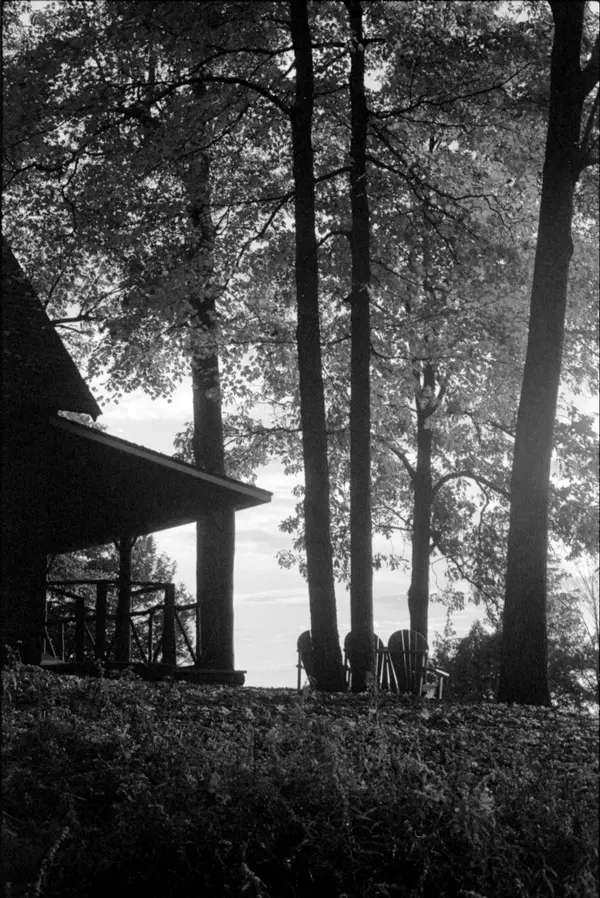
How to Prepare Your Home for Winter
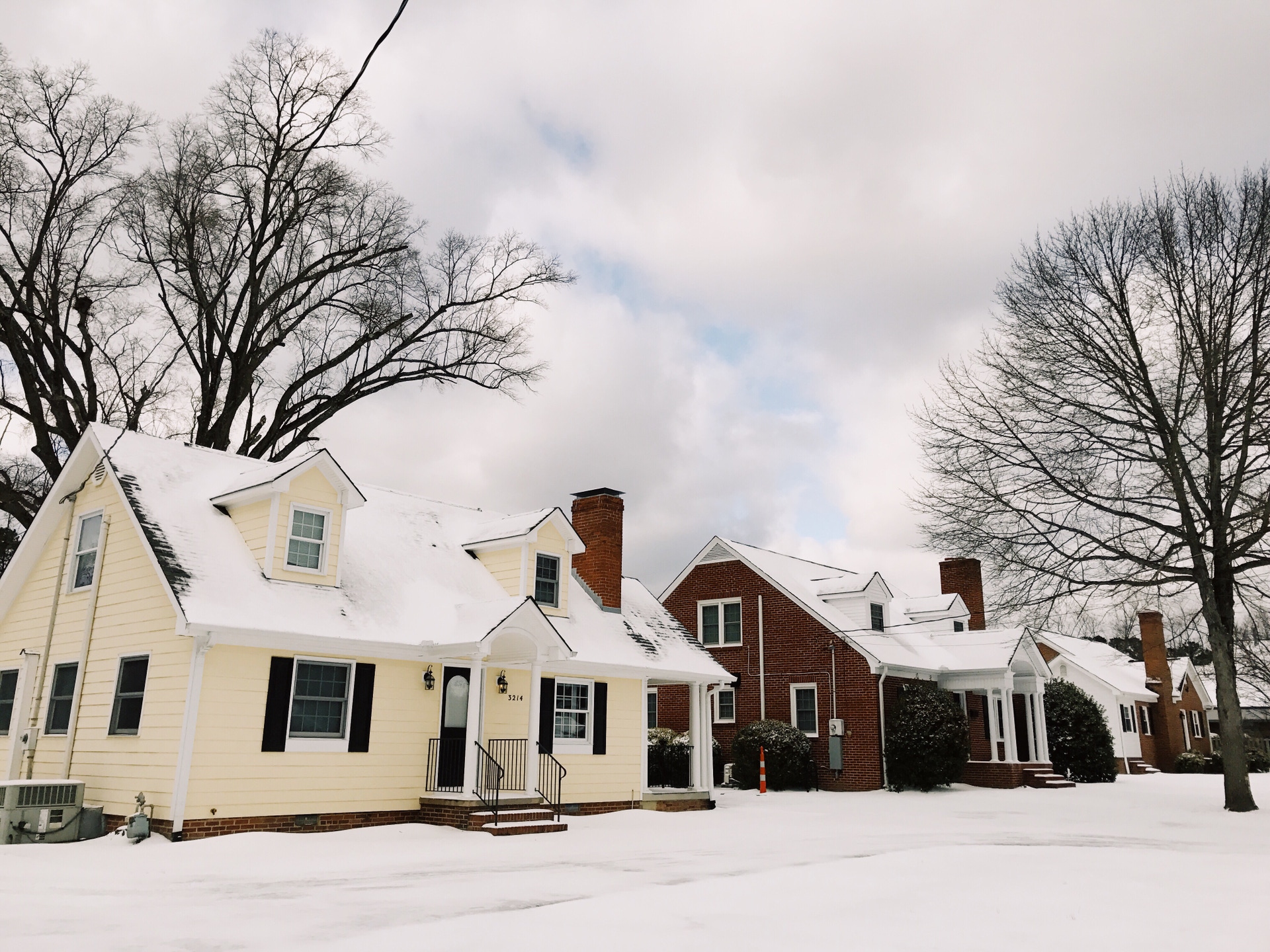
Winter is fast approaching, and while Vermont is adjusting to Winter in the COVID Era, mother nature isn't likely to take notice and slow down for our sake. Take the next few weekends to button up your home, and you'll be thanking yourself come January when temps are dropping.
Work your way from the inside out. Starting with your heating system, windows, and doors, then work down from the chimney and the roof to the foundation. Of course, don't forget about your lawn equipment and patio furniture.
Heating System
Now's the time to turn up the dial on your thermostat. Set it to 80 degrees and check to make sure the furnace turns on. Check your vents and confirm that hot air is moving. Once satisfied, dial the temperature back to a comfortable level and move on to check your air filters. If you haven't regularly checked your filters before, nows the time to look behind a vent grill or on the heating system itself.
If anything doesn't sound right, or the heat doesn't simply turn on, it's time to call a reputable HVAC contractor to assess your system and provide a diagnosis. Don't know any? We're happy to refer a few to you!
Smoke and Carbon Monoxide Detectors
Now that your heating system is in order move on to smoke and carbon monoxide detectors. We jump through hurdles to seal a house up each Winter, making the risk of carbon monoxide that much more significant. Wood burning fireplaces and a cranked thermostat further increase the risk of fire. Walk around the house and test your detectors, adding new batteries as necessary.
Windows, Doors, and more!
Check windows and doors for air leaks. These pesky gaps and cracks can drive up winter fuel costs. Simple fixes like adding weatherstripping to your door jam or caulking old window frames will significantly improve your heating bill. Go a step further and seal your windows with a window insulator kit. Simply pulling the blinds closed will add another layer of insulation and costs nothing at all.
Keep moving around the house and check the foundation, chimney, skylights, and siding for more air leaks. If you don't have a digital thermometer handy, use a candle and watch for a flame blowing inward when you move the candle to a potential leak. Apply caulking or insulation and call it a day.
Ceiling Fans
In the wintertime, ceiling fans should spin clockwise to draw the cold air up and push warm air down. Check your instruction manual to reverse the fan from summer to winter mode. Most ceiling fans have a switch to toggle back and forth, while remote-controlled fans should be pretty clear on how to change the rotation.
Once you thoroughly inspect the inside of your house, move on to the outside, working top to bottom.
Roof
Inspect the roof for any clear signs of trouble. This includes cracked or curling shingles, missing pieces of slate, worn out flashing and cracked caulking. A roof repair is much easier to fix this time of year than in the middle of Winter. If you don't feel comfortable climbing a ladder, pull out a pair of binoculars and inspect the roof from afar. Clear the gutters and downspouts while you're up there to ensure water moves freely down the roof and away from your foundation.
If you noticed icicles and snow building up on the eaves of your roof last Winter, now's the time to check the insulation and venting in your attic. The best way to prevent ice dams is to keep your roof cold. You can achieve this by plugging gaps in the insulation and adding soffit vents along the eaves.
Check for Critter Entry
Inspect attic vents and garage siding to make sure critters won't call your place home this Winter. Patch any gaps or holes in eaves and siding so mice, raccoons, and birds look elsewhere.
Tree Branches
Snow and ice combined with heavy winds could spell disaster this Winter. Check trees around your property for signs of health. Trim back any branches that could pose a threat to your roof, siding, or powerlines. Light maintenance this time of year could save you thousands of dollars in damage come February.
Exterior Faucets
Turn off the water supply to exterior faucets, disconnect garden hoses, and drain the faucet of any residual water. Frozen pipes cause easily preventable problems.
Lawn Furniture and Equipment
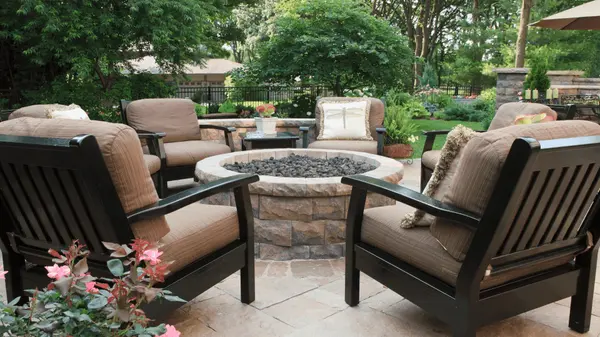
Store or cover your patio furniture to prevent unnecessary damage from snow buildup. If you can't store the furniture inside, best to organize it in one location and cover it with a tarp to prevent high winter winds from blowing it all over your backyard.
Winterize your lawnmower and other gas equipment by draining the gas tank and storing it in the back of your garage. While you're back there, bring the snowblower to the front and grab your ice scraper and snow shovels. There's nothing worse than digging yourself out after scavenging the garage looking for your equipment. Check that the snowblower turns over and is topped off with fresh gas for the Winter.
Tire Changeover
While you're tidying up the garage, now's the best time to schedule a visit to your local garage to swap your all-season tires out with your winter. Better to be a little early and prepared for the first big storm rather than scheduling weeks out when the rest of the state realizes they need to do the same!
If you're gearing up for winter, check out the rest of our winter blog series:
Tips for Winter Prep in Vermont
Don't Overlook Your Dryer Vent This Winter
How to Prevent (and Fix) Frozen Pipes
Categories
Recent Posts






GET MORE INFORMATION