
Maintaining your Gutters to Prevent Future Home Damage
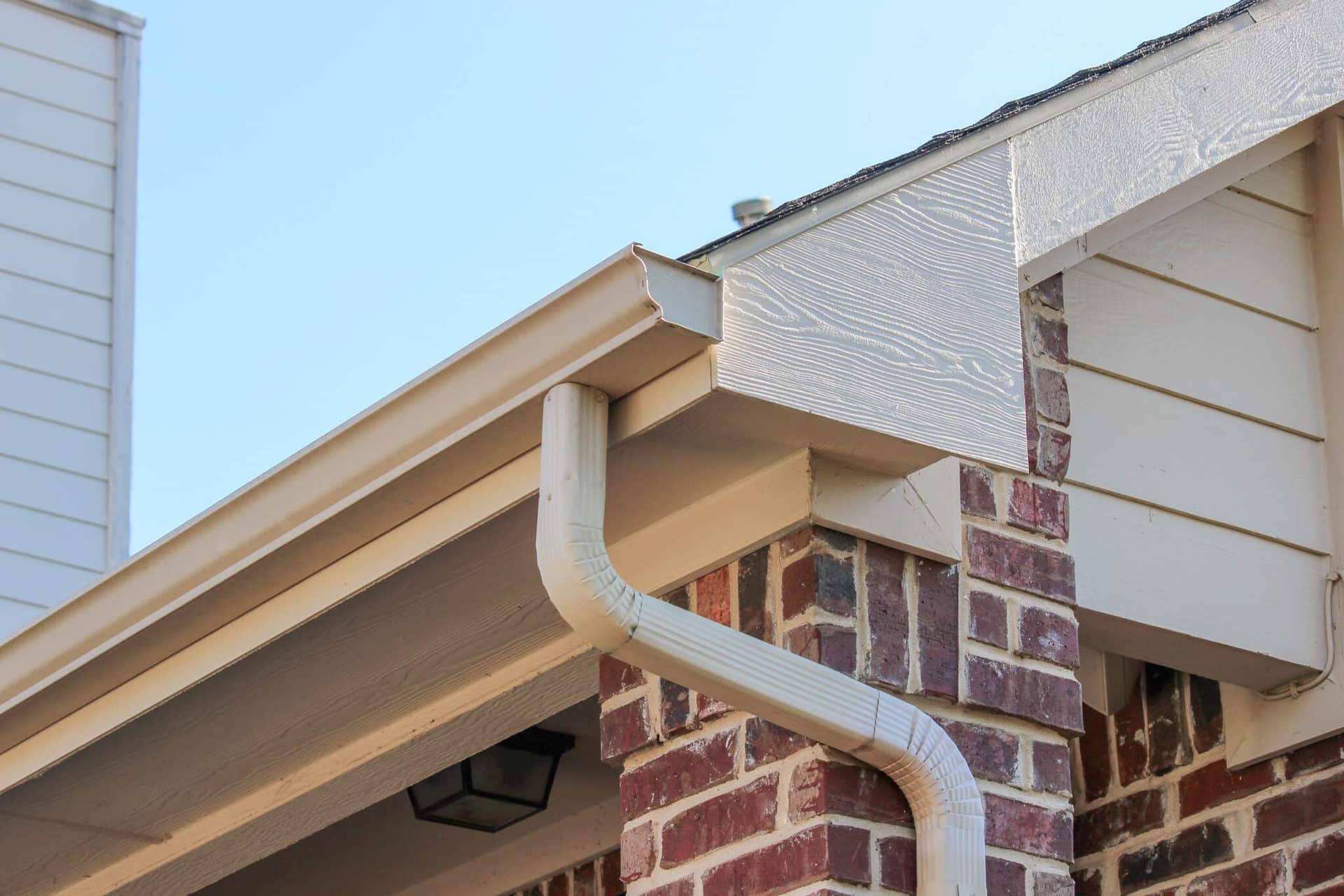
Gutters catch water runoff from your roof and channel it away from your home making them very important for protecting your home from water damage. Misaligned or broken gutters allow water to settle or pour off the side of your home and pool up, damaging your home’s foundation, walls, and roof.
It’s essential to maintain your gutters to ensure optimal performance and keep water away from your home. While they can be a little hard to reach, with the right tools, you can save some money and learn a few new skills by maintaining your gutters all by yourself.
How often should I clean my gutters? What supplies do I need?
Gutters should be cleaned out at least twice annually: once in the spring, and once in the fall. If you have pine trees nearby, clean gutters every three months because their needles tend to cause clogs. First-floor gutters can be tackled with a ladder or with a long tool from the ground. When it comes to second- or third-floor gutters, those are best left to the professionals.
When gearing up, you’ll find everything you need in the roofing section of the hardware store; keep an eye out for gutter maintenance kits that may have all the tools you need in one place. The necessities are:
- Ladder and a partner to spot you!,
- Rubber gloves and protective glasses,
- Trowel,
- Bucket for collecting debris,
- Garden hose or pressure washer,
- Gutter sealant.
Once you have all of your supplies, you can start the cleaning process.
Now it’s time to clean out your gutters. Use these tips for a smoother process:
- Wait until they’re fully dried out, if possible.
- Start cleaning near the downspout and work your way up towards the closed end.
- Wear gloves to keep your hands dry and protected.
- Use your hands to pull out loose debris, and use a trowel for impacted debris.
- Once cleared out, flush out gutters with your garden hose, starting at the top.
- Make sure the water is draining quickly and easily. If it isn’t, check for and clear out any clogs. If there is a blockage, use strong water pressure on your hose or a plumber’s snake to clear it out.
What your damaged gutters might mean and how to fix them
After cleaning, check for damage. Depending on the level of damage, it’s up to you whether you want to repair or replace them— but gutters serve such an important purpose, when in doubt, it’s better to replace. Here are some things to check for:
- Cracks, splits, or water damage on house behind the gutters
It’s highly recommended to replace gutters with any damaged sections to make sure water damage isn’t occurring on your roof or walls, but if they’re very small cracks, you can close them with a gutter sealant.
- Rust, water pooling, or mold
All these factors indicate that water has been sitting in your gutters, suggesting a clog somewhere in the system. Replace the damaged section(s) and thoroughly check for clogs.
- Sagging gutters
Check that all gutters are securely attached to the house. If you notice sagging and they are securely attached, replace those sections. If they are sagging and not securely attached, add supports to reinforce them.
- Standing water when flushed
If there’s any standing water in your gutters, they are not sloped enough. To fix this, detach the hangers to adjust the gutters to the proper slope -which is 1/4-inch for every 10 feet toward the downspout.
While no one loves cleaning their gutters, it can save thousands of dollars in damages down the road and is an essential part of keeping your home safe and ready to live in for years to come. Check out our home maintenance blog series for more tips on keeping your home in tip-top shape.
Categories
Recent Posts










GET MORE INFORMATION