
Smoke Detector Maintenance
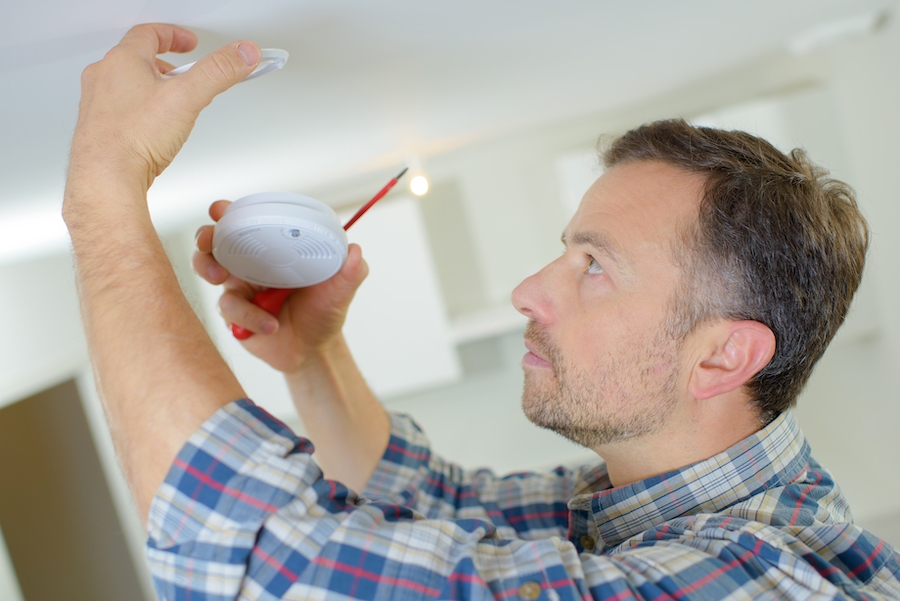
Fire prevention and safety is incredibly important, and there are quite a few things to remember when it comes to installation, upkeep, and maintenance. Staying on top of these tasks is crucial to keeping your family and your home safe and protected – so we’ve pulled together a handy guide of important things to keep in mind regarding your detectors!
Know When You Need a Permit and Inspection
The installation of new, hard-wired smoke/CO detectors in the city of Burlington requires an electrical permit and inspection (just like any new wiring installation). However, single-family, owner-occupied homes built before 1994 are now allowed to install 10-year lithium battery-powered photoelectric smoke/co detectors with no permit or inspection. In a duplex or rental property, smoke detectors may be replaced with photoelectric smoke detectors or smoke/CO detectors with no permit or inspection. Any additional detectors to be added to the hard-wired smoke system would require a permit and inspection. Remember: when in doubt, just go for the inspection and permit. Better to be safe than sorry.
Follow the Law
There are two types of smoke detectors: ionized and photoelectric. However, in 2008 Vermont legislature began prohibiting the use of ionized detectors in Vermont. Also according to Vermont law, new homes must have alarms directly wired to the building electrical service and have a battery backup. Homes that are sold or transferred after January 1, 2009 are required to have photoelectric and carbon monoxide alarms installed and fully functional.
Click here to read more on the smoke detector and CO detector requirements in the city of Burlington.
Change Batteries Annually
Every year, at least once a year, change out the batteries in your smoke detectors. Check the detector’s manufacturer’s guide to make sure you’re buying the right type of batteries and installing them correctly. We recommend changing them every Daylight Savings Time as an easy way to remember. It doesn’t matter if it hasn’t started chirping yet, or if the batteries claim to have a 10-year shelf life – this is one quick task that’s worth staying on top of. If you have an alarm with non-replaceable 10-year batteries and it starts to chirp, replace the entire device immediately.
Test Monthly
Test your detectors once a month to be sure they work correctly. Each alarm varies slightly in its testing mechanics, but a test button is usually easily accessible on the face of the device. This is another easy way to ensure you’re prepared for an emergency. Set an alarm on your phone or an event in your calendar to remember to do this monthly.
Check Dates on Detectors
Smoke alarms have a service life and expire; the date of manufacture is on the back of the alarm. Your smoke detectors shouldn’t be more than ten years old, and some only last seven years based on conditions. Having functional detectors can be life-saving, so ensure the ones mounted to your ceiling or wall are new enough to work correctly when needed. Over time, the detector’s internal sensors weaken – and just because the test button is still working perfectly, that doesn’t mean the detector still is. So if you’re unsure how old yours are, buy new ones.
Keep Pathways Clear
Photoelectric detectors rely on smoke entering the inner chambers of the alarm to work effectively, so regularly dust your alarms and make sure there’s no furniture or decor covering them up. Never paint alarms or intentionally cover them.
Too Many > Too Few
There’s no such thing as being too safe. The more smoke detectors you have in your home, the more likely you’ll be warned as soon as there’s an emergency. According to the National Fire Prevention Association, there should be a smoke detector:
- Inside every bedroom/sleeping area
- Outside each bedroom/sleeping area
- In long hallways/stairways
- Inside kitchens and living/family rooms
- On each level of the home (including the basement)
Buy Smart, Place Smart
When choosing your smoke alarms, select one labeled by a recognized testing laboratory. When you place them, stick to ceilings (at least 10 feet away from stoves/ovens) since smoke rises. Heavy drafts can affect functionality, so keep detectors away from front doors, ducts, and windows when you can. Also be sure to keep detectors a minimum of three feet from air take/returns, such as heating or cooling systems, bathroom doors, and ceiling fans.
Interconnect Detectors
Interconnected smoke alarms are statistically more effective at alerting families of a potential fire than an unconnected system of alarms. Homes with the same brand of smoke detectors throughout the house can interconnect them to increase their effectiveness. We highly recommend this method to increase your family’s safety and make the most of your detectors.
Safety is always number one at Vermont Real Estate Company, so follow these crucial steps to protect your home and keep your family safe all year round. For more home maintenance tips, check out the other blogs in our home maintenance series:
- How to Prevent (and Fix) Frozen Pipes
- Don’t overlook your dryer vent this winter
- Prep Your Home For Fall
- Tips for winter prep in Vermont
If you’ve still got questions about smoke detectors or other home maintenance issues, reach out to one of our friendly and knowledgeable agents today – because we’re here to support you before and beyond closing.
Categories
Recent Posts









GET MORE INFORMATION