
Vermont Residential Fire Safety Inspections Explained

Fire Safety Inspections and Vermont Real Estate
When buying or selling your condo or multi-family home, you will need a fire safety inspection to complete the sale. Read on to learn about the fire safety inspection process and things to look out for!
Fire inspections are not required for a single-family home. Single-family homeowners just need to make sure their smoke detectors are up to date and meet local code. According to Vermont State law, photoelectric and carbon monoxide combination alarms are required in the vicinity of any bedrooms and on each level of the home. Ionization/photoelectric combination alarms are not allowed.
For multi-family dwellings and condo complexes, fire safety inspections are required by law to execute the sale of the building or unit. This makes sense considering shared walls, common areas, and other shared living spaces.
As of late, the burden falls on the seller to fix any issues revealed by the inspection. That’s why we strongly recommend sellers request and remedy a fire safety inspection sooner rather than later in the process.
The fire safety inspection generally lasts up to one hour and is conducted by either the Vermont Fire Marshal or your city's Fire Marshal. Check your local fire department website for associated fees and forms to request an inspection. Once passed, the requester will receive a Certificate of Compliance that will clear the way for a Purchase and Sale Agreement.
What Goes into a Fire Safety Inspection?
The Fire Marshal will inspect many aspects of the home and property. Here are the most common components of a Vermont fire safety inspection:
Smoke and CO Detectors
Generally, smoke and carbon monoxide detectors are required on every level of a dwelling (including the basement) and in sleeping areas. The Vermont Department of Public Safety, Division of Fire Safety publishes a matrix outlining the requirements for single-family, multi-family, and condominiums. You can check it out here. They also publish a handy information sheet for residential fire codes you can find here. For carbon monoxide requirements click here. Check with your Vermont Real Estate Company agent and fire department for any local ordinances that might affect your inspection.
GFCI Protected Outlets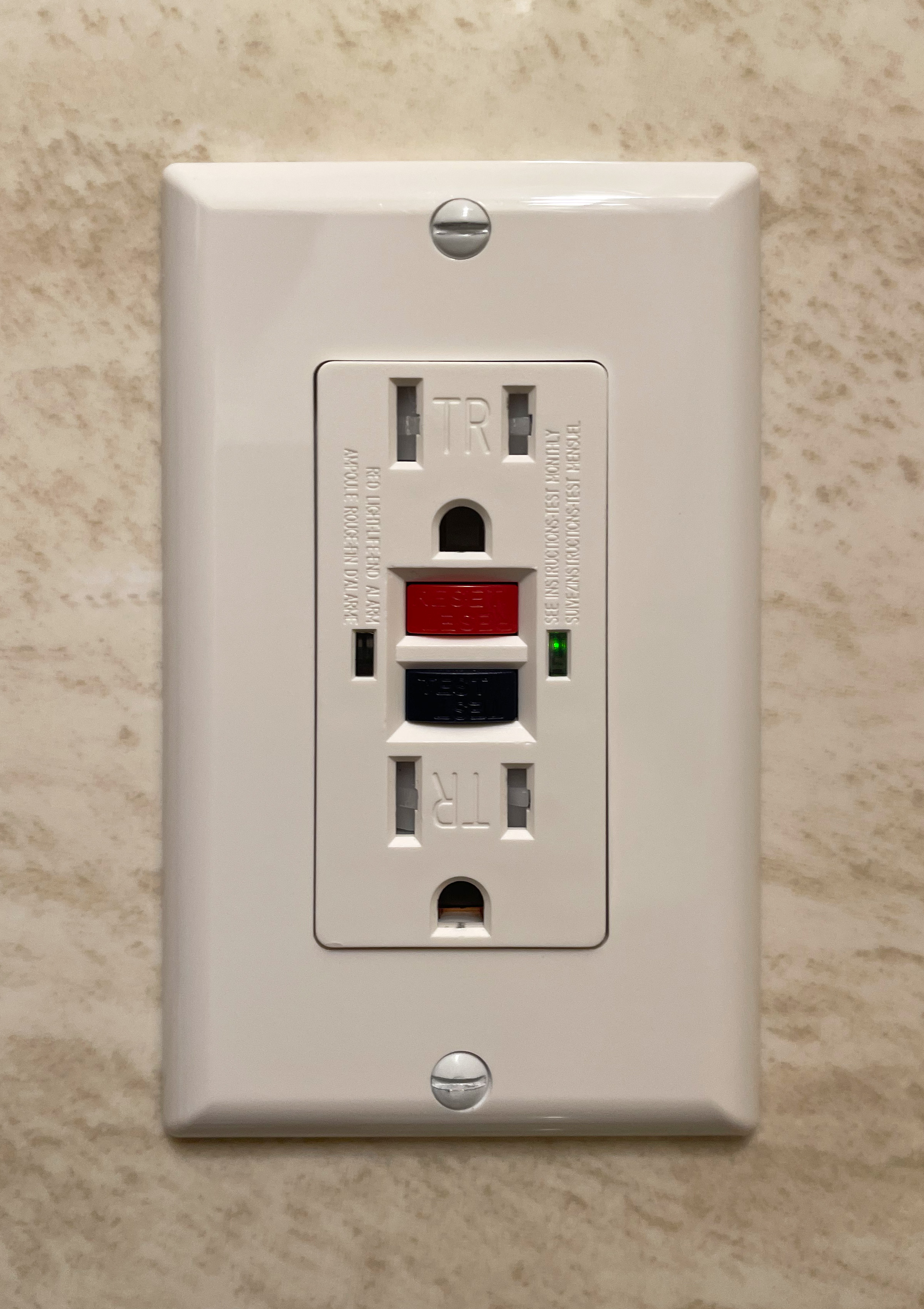
Ground-fault circuit-interrupter outlets are the electrical outlets you’ll find near sinks, in bathrooms, and other areas where water is common. GFCI protected outlets are designed to cut off the power supply in the event of a ground fault. Think of it as a miniature circuit breaker located right at the outlet. Protecting us from injury and death, GFCI is typically required when serving any counter spaces, dishwashers, and any location within 6’ of a sink, including laundry areas, outdoors, and kitchens.
Handrails
The Marshal will check that all required handrails are up to code. This includes both indoor and outdoor rails. Open rails, like those found on decks and patios, require vertical rails or ornamental patterns that prevent a 4” sphere from passing through. Again, for local information check with your fire department or Vermont Real Estate Company agent. Click here for a handrail information sheet from the Vermont Division of Fire Safety.
Emergency Egress
There must always be two ways to exit a room, including finished basements. Windows offer a secondary escape route in the event that a fire blocks your door or emergency rescue workers need to enter. The Vermont Division of Fire Safety offers a helpful worksheet to make sure your windows and secondary escape routes meet State requirements. You can find that here!
Dryer Vents

Dryer vents present risky fire hazards. It is good practice to check your dryer vents and their exhaust lines once a year to ensure they are in good working order. Dryers must exhaust to the exterior of your building and can’t extend beyond 35’. There are differences between the requirements of a gas and electric dryer, so check in with your local fire department to make sure you are compliant with the latest code.
Read more about the dangers of clogged dryer vents in our previous blog post!
Fire Extinguishers
2- ½-pound dry chemical capacity fire extinguishers are required in apartment and condo units and should be mounted to a bracket in a conspicuous place. While not required in a single-family home, it is still a good idea to have a charged, functioning fire extinguisher readily available. Check your extinguisher regularly. Typical fire extinguishers last 5 to 15 years, but it’s better to check the pressure gauge every month to ensure it’s fully charged. If your fire extinguisher is older and doesn’t show a gauge, take it to your local fire department or nearby fire extinguisher professional.
Multi-family homes and condo units may require additional components of the fire inspection. Failing an inspection could be remedied as quickly as it takes to replace smoke detectors, or could be drawn out by requiring construction permits and inspections to rectify issues. Your Vermont Real Estate Company agent is happy to help you layout the steps for a successful inspection and is your resource through the inspection process.
Have more questions about the buying and selling process and fire inspections? Don’t hesitate to reach out!
Categories
Recent Posts









GET MORE INFORMATION