Buzz-Worthy Backyards: How to Attract Pollinators to Upgrade Your Garden
Did you know that 75 percent of Earth’s flowering plants and about 35 percent of the world’s food crops depend on animal pollinators to reproduce? According to the U.S. Department of Agriculture, “That’s one out of every three bites of food you eat.” Incredibly—and fortunately for us—more than 3,500 species of native bees help increase North American crop yields, including Vermont’s seasonal crops like blueberries, blackberries, apples, and strawberries, which all rely on pollinators for survival.
Wild plants also rely on pollinators, including those growing on and around your property. In fact, whole communities of flowering trees, shrubs, and herbs benefit from their activity. The Department of Vermont Fish & Wildlife tells us that “60 to 80 percent of wild plants in our state are dependent on animals, mostly bees, for the ‘ecosystem service’ of pollination.” That ecosystem service helps keep Vermont’s soils rich and water clean—key ingredients for your backyard pollinator preserve.
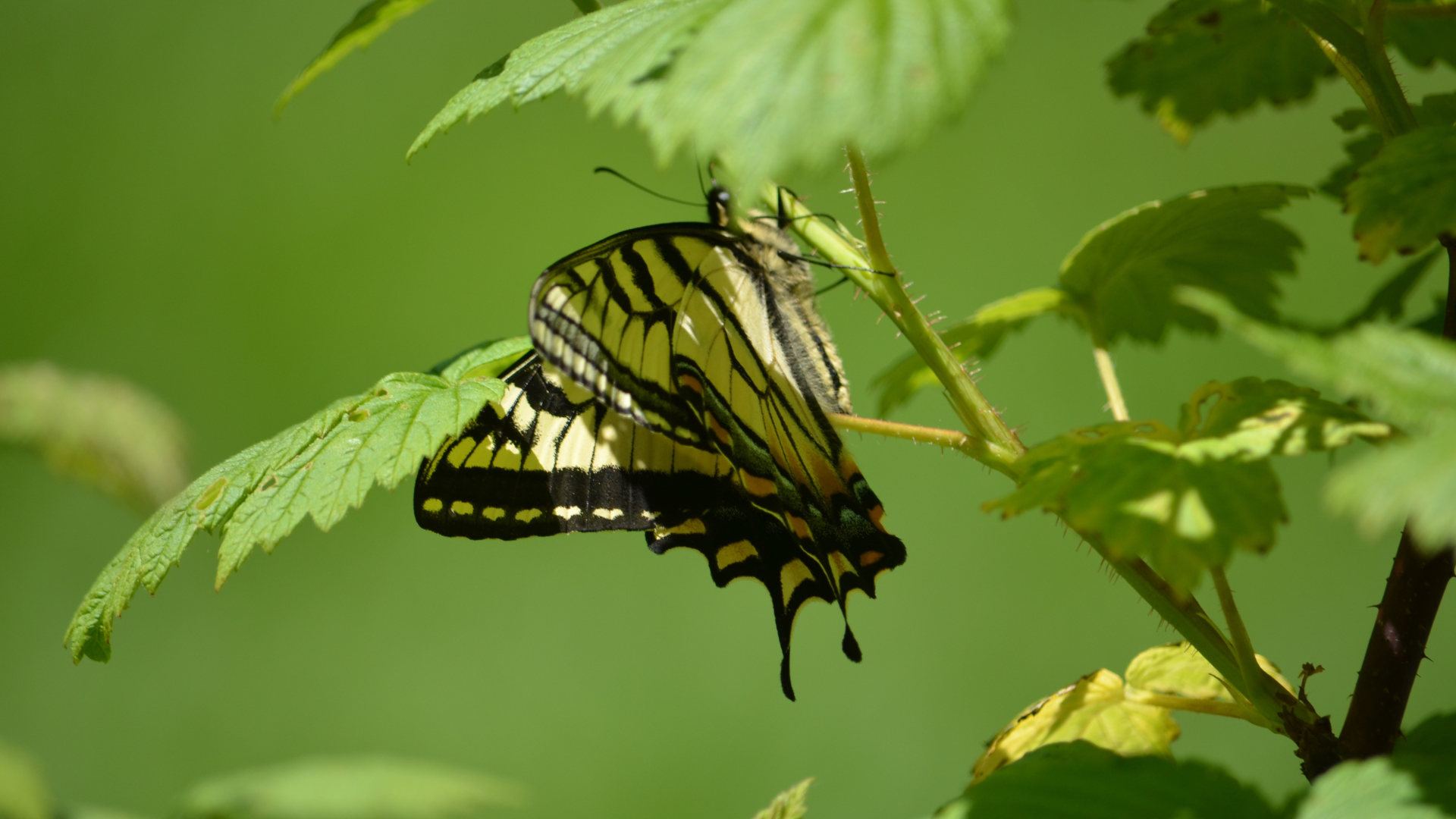
Bees are the most prevalent pollinator in Vermont, but other common pollinators, such as butterflies, birds, beetles, moths, and hummingbirds are also vital to flowering plant reproduction. Common rodents such as mice and voles contribute to the dissemination of native plant species as well. Even the bats you see whisking around the skies at dusk play a part, consuming “up to 1,200 mosquito-sized insects every night, including…potato beetles and corn earworms that are known to wreak havoc on crops.”
When bats feed on plant nectar, pollen sticks to their fur and gets carried off to other plants, pollinating them in a process called chiropterophily. So the next time you flinch at the sight of a dozen bats swooping around your yard, remember they’re helping to keep your vegetables pest-free.
The Win-Win of Becoming a Pollinator Pit-stop
The plant communities on your property benefit every resident—pollinators and people included. When you create pollinator habitat, your property will blossom and flourish, creating a colorful, attractive micro-ecosystem that lasts the entire growing season. Planting fruit trees and bushes, while offering critical food sources for pollinators, are also a great way to support your household’s fruit diet.
Thanks to the work of Vermont’s 352 bee species, we enjoy flavorful honey varieties, including clover, wildflower, basswood, goldenrod, and aster honey. A 2022 survey documented 70 new bee species in Vermont, according to a report from VTDigger. At least 55 of these species require significant conservation protections to survive. Creating habitat for local bees in your back yard can contribute to this effort.
The Vermont Center for Ecostudies compiled the first Vermont Butterfly Atlas, listing 117 species recorded between 2002 and 2007. The second Butterfly Atlas is currently in progress and will include the status and distribution of all species recorded in the state between 2023 and 2027. When you convert your garden into a butterfly sanctuary, you are contributing to the scientific understanding of long-term trends in butterfly populations, which can then be used to nurture existing populations and restore those in decline.
How to Enhance Your Pollinator Population
Like most living things, pollinators require these essentials: food, shelter, and water. To ensure a continuous food source, plant a variety of flowers that bloom at different times of year. For shelter, offer an array of shapes and sizes to attract different types of pollinators. Consider plants that can serve as pollinator hotels: flowers with a disc-shaped composite blossom, also called a capitulum, a structure shared by all plants in the Asteraceae family. Daisies and sunflowers fall into this camp. Birdbaths, small ponds, or fountains provide good water sources, benefiting pollinators and many other garden-friendly critters as well.
Bees are the busiest pollinators in your garden. They’re attracted to pollen-heavy plants, such as poppies, bee balm, cornflowers, catmint, and blue globe allium. Butterflies meanwhile use their appropriately named proboscis to probe for nectar, which fuels their long migrations across the continental United States. They’re particularly drawn to flowers that either grow in clusters, like golden rods, spirea, and joe pye weed, or those with broad flat blooms that accommodate their wingspan, such as echinacea, marigolds, petunias, and cosmos.
Believe it or not, butterflies perform spring mating rituals that can add to the aromatic allure of your garden. To attract mates, both males and females produce pheromones that smell like the flowers they’re attracted to, like little flying air fresheners—yet another benefit of incorporating pollinator attractors into this year’s landscaping plan.
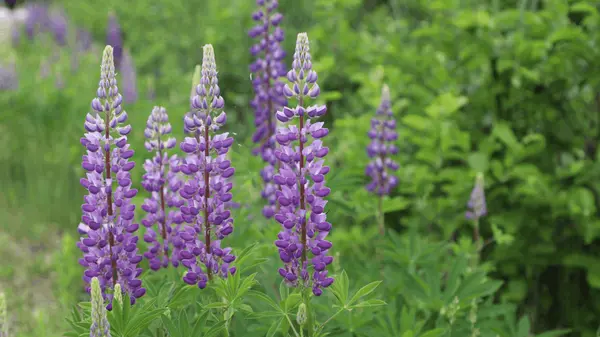
When designing your garden color palette, think vivid rainbow. The more varied your floral color spectrum, the more diverse pollinator species you will attract. Bees can see UV light (invisible to humans) and are attracted to blue, purple, white, and yellow. Red flowers appear black to bees and are less appealing. Butterflies, however, can see red perfectly; magenta zinnias, crimson coreopsis, and flame-orange gerber daisies would make the perfect butterfly landing pads. Hummingbirds, of course, adore fuschia pinks and bright reds, so installing a ruby-colored hummingbird feeder in your garden will be sure to draw them in.
Prioritize native plants; they’re adapted to the local environment and are typically preferred by native pollinators. Orchard apples and berries, native azalea, roses, and crabapples are all great candidates. The wildflowers and weeds common in Vermont meadows—think clover, goldenrod, dandelions—might be a pollinator’s favorite source of pollen. If you’re hesitant to let “weeds” take over your lawn, consider allowing sections, borders, or edges to grow up a bit; they may be the only food source for pollinators in your area.
Why It’s Important to Play a Part
Pollinators are facing steep odds: single-crop farming and development have lessened plant diversity and destroyed habitat. They must also contend with disease epidemics brought into the state by nonnative species. Pesticides, particularly neonicotinoids that are deployed to kill “pests,” are also killing our precious pollinators. Try to avoid using pesticides in your lawn and garden maintenance routines. Chemicals aren’t good for most species—you and your pets included.
To offset the ongoing loss of critical pollinator fuel and habitat, put off your spring yard maintenance for a month or so. “No Mow May” gives early season pollinators and the wildflowers they rely on the opportunity to wake up from dormancy. This creates more diverse and vibrant local landscapes, which, in turn, contribute to the health of Vermont as a whole.
So why not pack your garden with pollinator power this spring and summer? Check out the Vermont Fish & Wildlife downloadable list of pollinator attracting plants for inspiration. In addition to making your property beautiful, fragrant, and busy with buzzing and fluttering wings, these pollinator-friendly practices will fuel the life cycles of countless native plant and animal species, sustaining your neighborhood ecosystems and the entire northeastern biosphere as well.
Want more tips for improving your home and garden? Read more of our blogs!
Categories
Recent Posts


GET MORE INFORMATION