Level Up Your Lawn Care with These Tips
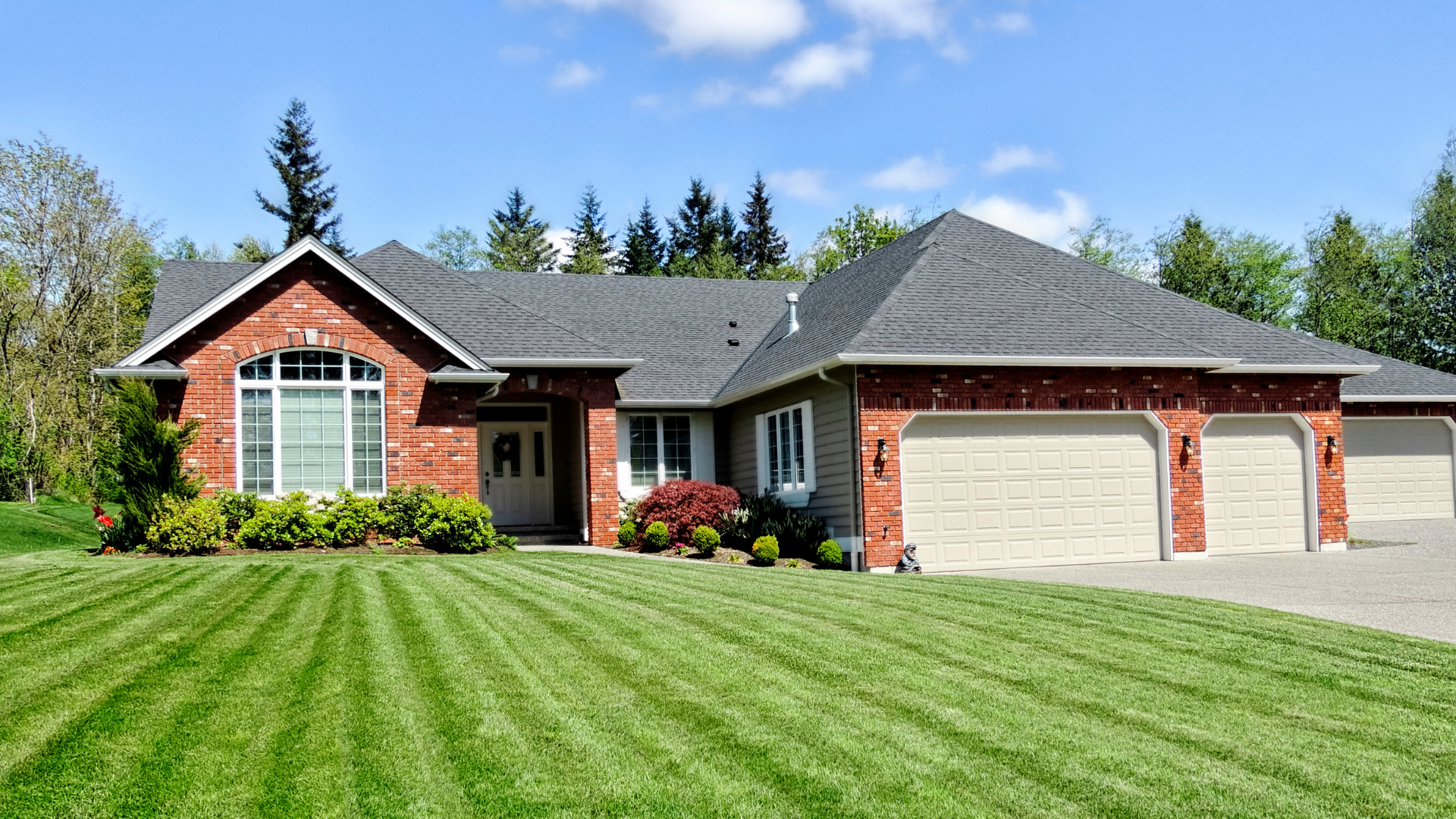
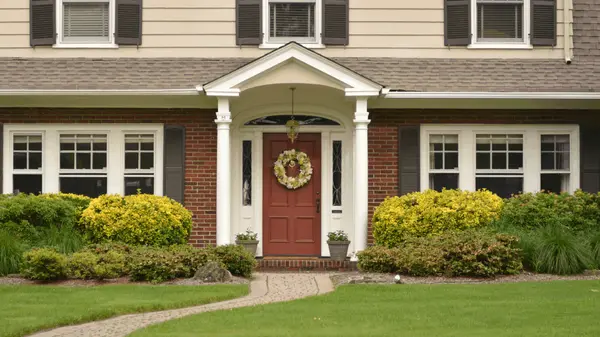
It’s officially spring in Vermont, which means that it’s almost time to start mowing the lawn again. Maintaining your landscaping is just as important as maintaining any other part of your home, whether you’re looking to sell or not. Keeping a healthy lawn isn’t just for looks; it also prevents soil erosion, improves air quality, and contributes to a healthier ecosystem by acting as a habitat for seasonal wildlife. Plus, landscaping gives your home a higher curb appeal and can boost your property value, not to mention the neighborhood’s charm. Use these tips to keep your lawn well maintained year round:
1. Wait to Mow Until Early-to-Mid April
Even if the snow is gone, it benefits you and your neighborhood pollinators to hold off on mowing. After winter, plan to mow for the first time in early-to-mid April, unless the grass is wet. The ground should be dry and the grass should have had the opportunity to grow a few inches before hauling out the John Deere. It’s also important to avoid mowing wet grass because it can damage both your lawn and your lawnmower. Many homeowners even participate in “No Mow May,” a mini movement to delay mowing in order to leave “yard weed” flowers for pollinators.
2. Consider Your Mowing Height—It Matters!
Did you know that you can adjust the height of your lawn mower blades? In the spring, lower your deck for a close-cut lawn, the shortest mowing height of the year. As the summer comes and temperatures rise, slowly increase your mowing height, allowing your grass to stay slightly longer, then drop back down as temperatures drop into the fall. This method allows grass roots to grow deeper and keeps the soil more shaded, making your lawn more lush and less susceptible to flooding.
Keeping your lawn longer throughout the warmer months is also beneficial to wildlife; it attracts pollinators like bees and butterflies to your lawn and creates more nesting materials for birds.
3. Don’t Water Your Lawn Too Often…Or Not At All
Sprinklers are a great way to make sure your lawn stays hydrated throughout the summer. However, too much water can cause the soil to rot and make your grass turn brown. As a general rule of thumb, you only need about one inch of water per week, which you can typically achieve with three 20-minute sprinkler sessions. If it’s consistently raining, however, turn off your sprinklers until the ground dries out.
4. Mow Once Every Five-to-Seven Days
Depending on the type of grass you have on your lawn and the height at which you cut it, you may not have to mow as often. In Vermont, you’re most likely to find bluegrass, ryegrass, fine fescue, or a mixture. These are all cool season grasses, meaning they thrive when air temperatures are on the cooler side, like during the spring and fall.
5. Don’t Rake Your Leaves in the Fall
It can be tempting to rake and bag up your leaves as they pile up, but leaving them has multiple benefits. Decomposing leaves will improve your soil health, returning nutrients back into the ground. They’re also a natural habitat for wildlife that needs cover to stay safe from predators as winter approaches. Decomposing leaves also protect the soil from erosion and dramatic temperature changes in the months leading into the coldest season of the year.
That said, if you have an overabundance of leaves, it’s best to rake, or at least disturb, some of them so your grass doesn’t get smothered, which increases the possibility for fungus growth. For the best outcome, tousle the leaves a bit with a wide-toothed rake to aerate, which also provides a loose protective layer for the ground beneath.
As we welcome spring in Vermont, remember that a well-maintained lawn is more than just an aesthetic choice—it's an investment in your property and the environment. By following these seasonal lawn care practices, you'll create a resilient outdoor space that supports local wildlife, prevents erosion, and enhances your home's value without excessive maintenance.
Learn more about the best ways to maintain your Vermont home. Read our recent blogs!
Categories
Recent Posts


GET MORE INFORMATION