Should I Build a Turnkey or Custom Home?
You've found the perfect lot. You've secured financing. You've even started dreaming about Sunday morning coffee in your future kitchen. But now comes the moment that will define every aspect of your home building journey ahead—a choice that will influence your timeline, budget, stress levels, and ultimately, how you'll feel walking through your front door for decades to come.
It's a decision that divides homeowners into two distinct camps. On one side, you'll find those who value efficiency, proven results, and peace of mind. On the other, dreamers and detail-oriented folks who refuse to compromise on their vision of the perfect home. And in the middle, you have the homeowners who aren’t sure whether they want a turnkey or custom build.
The question isn't just about construction—it's about understanding yourself, your priorities, and what "home" truly means to you. Whether you're a first-time builder or considering your forever home, this choice deserves careful consideration before you break ground.
Should I Choose a Custom Build or Turnkey Plan?
Every aspect of your home building project will flow from this decision, so it’s worth taking ample time to think it through. Your personal goals and priorities should be your guide.
Do you desire a custom home crafted to your specifications, or are you interested in the convenience, speed, and lower upfront costs of a proven, pre-designed house plan? We pulled together a pros and cons guide to help you answer these questions before groundbreaking begins.
Turnkey Plan
The Pros
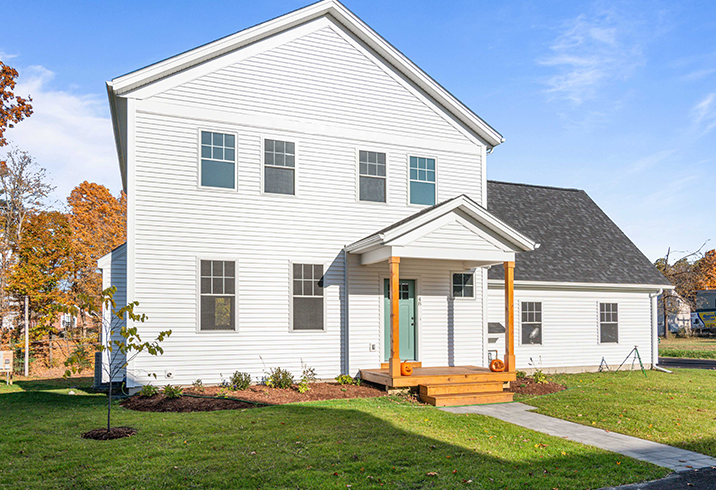
There is a lot of appeal to choosing from a set of established, attractive home designs that have been tried and tested. The companies contracted for this kind of project have built many of these homes before, so they’re familiar with the specifications. Vermont homebuilder Sterling Homes has built 383 homes since 1979, offering a variety of turnkey home plans that suit many homeowners across Chittenden County. In Sterling Homes’ newest Dogwood Circle neighborhood in Milton, you can choose from five existing plans, including both one-story and two-story layouts. These proven designs make for easier builds with fewer construction surprises along the way.
Turnkey homes are typically completed in around 6 to 9 months, while custom builds usually trend closer to 12 to 18 months. That’s between 50% and 100% faster for a turnkey build—a significant difference, especially if you need to be in your new home by a certain date. Cost and timeline estimates of formalized and pre-approved plans are more predictable. They also make for standardized construction processes with established material lists that likely won’t vary much, unless you add customizations.
Overall, turnkey builds are “more budget-friendly than their fully customized counterparts due to economies of scale in the development process.” For the same reason, build costs are less likely to fluctuate. Contractors hired for these jobs report to the parent construction company, which lay out expectations in advance, so there’s less room for timeline or budget variation. All of these factors increase the likelihood of more cost savings and fewer unexpected outlays.
The Cons
Turnkey homes are built from existing designs that have pre-set customization options, which shorten project timelines but also somewhat limit your options. You may have the option to add personal touches, like a screen porch or finished lower level, but the overall design will have a look and feel that is similar to existing designs from that builder.
Inflexible plans may not fit well on your lot and could limit the building orientation with respect to the cardinal directions or your landscaping plans. Turkey homes are often—but not always—built as part of a larger neighborhood construction project that uses similar designs with slight variations, so you're sacrificing ultimate control as well as the ability to use your preferred building materials and finishes, like siding, windows, roofing, trim, color, chimney style, decking, and so on.
Custom Build
The Pros
Custom building a home can seem like a dreamy endeavor—envisioning your interior and exterior spaces from scratch, sitting down with an architect to see how they can bring your visions to life, creating a structure and layout to suit your style, specifications, and hobbies, incorporating that kitchen you’ve always wanted, the screen porch-pergola integration, or the loft overlooking your sunken living room.
Custom designs give you more control of the size, shape, and orientation of your home and how it sits within the surrounding landscape. You also have a say in its optimal placement relative to neighboring properties, homes, and road frontage. You can work with your architect to craft a structure with your building lot in mind, considering the gradient of the land, sun exposure, natural features like ponds and streams, special trees or boulders, road setbacks, driveway approach, and so on.
All building materials, finishes, and fixtures can be specified to your liking and purchased from your choice of vendors. You also get to choose precisely how to power your home; for example, you might choose to build with an eye to energy performance and a low carbon footprint. If some ideas don’t fit within your current budget, you can design with future additions or site improvements in mind—which will then be easier to undertake given your intimate understanding of how the house was built in the first place.
Custom builds are inherently unique. They stand out both in your local neighborhood and the broader regional market and therefore usually have a higher resale value.
The Cons
The house-building process is undeniably complex. Custom builds require the hiring and coordination of an intimidating catalog of moving parts—the site prep crew, the foundation contractor, the well driller, building crews, electricians, plumbers, roofers, siding installers, and finish carpenters for starters. If you hire a general contractor to manage the subcontractor crews, you will still need to have a hand in communicating your wishes, expectations, and possible budget reallocations to them, while also keeping them on target.
Costs of custom built homes are typically higher, due in part to their often more complex designs, which demand more of builders as they have to adjust their workflow to a one-off build they’ve never done before. There’s usually a higher risk of cost overruns and construction delays due to changing timelines or fluctuating material goods costs. Even the best laid plans can run into issues, so expect the unexpected.
Custom build project timelines are invariably longer, ranging from 12 to 18 months as noted above—and that’s a conservative estimate for Vermont given labor shortages, high demand, and seasonal variabilities, such as unpredictable mud seasons and our long winters when the ground is frozen solid. It also takes more time for an architect to complete a design.
Overall, building a custom home requires a higher level of decision-making and project management on your part, but it can have many benefits. Builders like Sterling Homes aren’t just accustomed to turnkey homes—they also work on many custom-build projects to mix your ideas and their expertise and create the experience you desire.
Making the Final Decision
Building your home has the potential to be one of the most important and enjoyable projects you’ll ever take on. Weighing your construction options in advance, keeping in mind the goals you set for yourself at the outset, will increase your chances of having a positive experience with great results.
Your choice will come down to your budget, timeline, and priorities. What’s more important to you? Having a truly personalized dwelling designed to your individual specifications and lifestyle, or building with convenience, efficiency, and cost savings in mind—and in the case of Sterling Homes, the opportunity to work in partnership with a local design-build team? No matter which plan you choose, you’ll come out on the other side a wiser homeowner than you were before.
Want to learn more about the home building process? Read more on our blog and see what builders we highly recommend.
Categories
Recent Posts


GET MORE INFORMATION