What To Do Before and After a Big Snowstorm
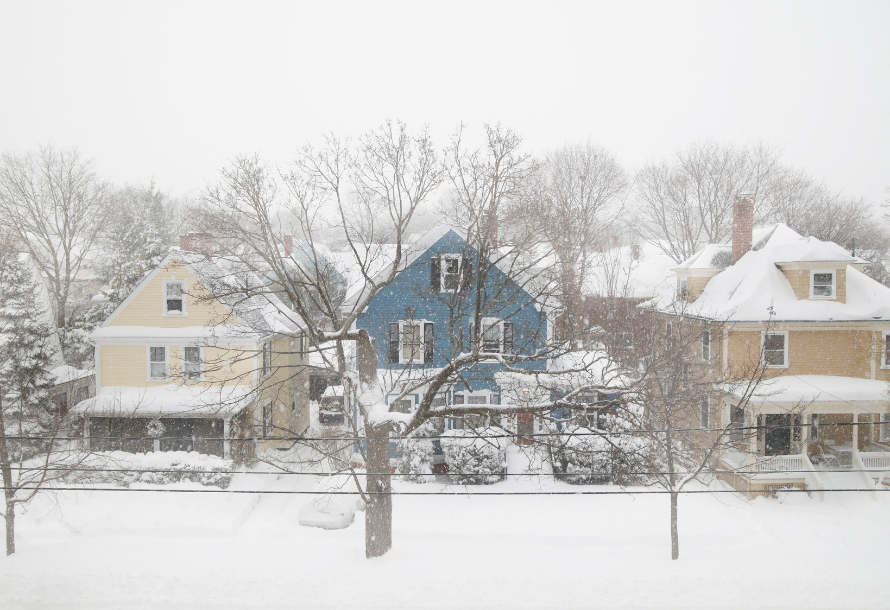
When flakes begin to fall in our neck of the woods, Vermonters spring into action. Though we aren’t strangers to snow squalls, there's nothing routine about an impending blizzard. These storms can quickly turn treacherous, putting our homes and infrastructure to the test. By planning ahead, we can keep our families safe and limit property damage.
On the other end, there are also some steps you should take to make sure your home is back in order after a storm. Follow these steps to prepare and recuperate from a blizzard.
Preparing for the Impending Winter Storm
Make a Plan for Snow Removal
Are you hiring a plow to take care of the snow, or is it you and a shovel against the world? Make a plan so you don’t have to stress. If you’re shoveling or snowblowing, keep an eye on the snow to remove it a little at a time. Like your windshield, it’s much easier to remove a few inches of snow from your driveway than a few feet.
Have rock salt, shovels, and snow melt on hand, and make sure your snow blower or shovel is in good working condition. You don’t want to be left without these tools when a big storm hits.
Take a Walk Around Your House
Before the storm arrives, walk around your house to check for threatening tree branches, anything obstructing the flow of your gutters, and more. Familiarizing yourself with the exterior of your home will also let you know if anything looks wrong when you take a look at it after the storm. If you have outdoor pets, this is the time to bring them inside to protect them from any extreme weather conditions.
Prepare for a Power Outage
When a big snowstorm is around the corner, there’s always a chance the power will go out. Be prepared with a power outage kit. Fill a box or basket with warm clothes, blankets, flashlights, lanterns, batteries, and anything else you might need during a power outage. If you have a backup generator, put it in an accessible location for easy use. Keep your phone and devices charged as much as possible, and fill up the batteries on any portable chargers.
A few days before the expected storm, stock up on essential supplies like food, water, and medicine to last at least three days. It’s best if food is non-perishable and can be eaten without being cooked; electric stoves will not be usable during a power outage.
If you believe your bathtub will become unusable during a power outage, fill it with water. You can use this water to bathe or flush toilets as necessary.
Move Your Car to the Garage
If you have a garage and don’t already keep your vehicle there, make space for your car to stay warm and dry during a big storm. Trust us, it’s worth it. You won’t have to scrape ice and snow from the windshield, and it will warm up much faster when you need to use it next. It also minimizes the risk of trees, electrical lines, or other debris from falling on and damaging your car.
If you don’t have a garage, lift your windshield wipers to prevent them from freezing to your windshield and make it easier to clean snow off your car. Each time you go outside to remove snow from your driveway, brush the snow off your car. When it comes time to drive again, you’ll have to remove a thin layer of snow as opposed to several feet.
Make Sure Your Pipes Won’t Freeze
When a snowstorm is on the horizon, it’s important to pay attention to your pipes. Whenever the outside temperature drops below 32 degrees Fahrenheit, there is a chance your pipes will freeze. But it’s much more common when it dips below 20. The longer the temperature stays below 32 degrees, the higher the likelihood your pipes will freeze.
In preparation, keep your heat above 55 degrees Fahrenheit, insulate your pipes, and drain water from vulnerable outdoor pipes to prevent them from freezing. One of the best things you can do is drip your faucets; just a tiny drip at a time is enough to keep the water moving.
To learn more, read our article about protecting and repairing your pipes.
Add Heavy Curtains in Your Home
If your home struggles to stay warm during extra cold days, add heavy curtains before a snowstorm. Avoid sending your heater into overdrive by adding another insulation layer. Plus, it will keep your home warm longer in the case of a power outage.
After a Storm
Take Another Walk Around Your Home
Bundle up! It’s time to head outside for another walk around your home. During this walk, remove snow from vents for your water heaters, dryers, or furnaces to prevent carbon monoxide poisoning. Be careful during this step; depending on the severity of the storm, there could be fallen power lines or other abnormal objects in your yard. Be sure to report any fallen power lines to your local power company. Clear obstructions from your gutter so water can flow easily when the snow melts.
Check on Your Neighbors
Some neighbors might need extra support after a storm. After you walk around your property, check on your elderly neighbors, those with disabilities, and young families. Ask if they want your support, and if they say yes, walk around their home to do the same check and clear their driveway and walkways from snow.
Clean Up Snow
Remove snow from your driveway and walkways, adding salt or sand to reduce risks of slips and falls. Snow loads on your roof and gutters can cause damage, collapses, and leaks, so use a snow rake to gently remove it. Be careful of falling snow, ice, and other debris during this process.
Check for Frozen Pipes
Like we said, frozen pipes are definitely not ideal. A key indicator that your pipes are frozen happens when you turn on your sink. If you turn on the faucet, and only a little bit of water comes out, it’s likely your pipes are frozen. First, try to find the culprit; which pipes are most likely frozen? Once you figure that out, use a hair dryer, heating pad, or hot towels to heat the pipes directly. If it’s still not working, call a plumber.
Frozen pipes can also burst. If a pipe bursts, turn off the water supply as soon as possible. Clean up any water as quickly as you can to prevent mold and mildew from building up. Next, call your insurance company to determine if the burst pipe is covered under your homeowner’s insurance policy. The insurance company will then assist you in getting the pipe fixed and fixing any damages the pipe caused.
Start Your Car
Start your car and let it run for a few minutes to shake the cold (and make sure it will start in the harsh conditions). If it runs like normal, you’re all set! If it struggles or sputters, give it a break and try again when the temperature warms up. If it still doesn’t start after you try a second time, ask a neighbor if they will jump start it or call Roadside Assistance.
Be sure to clean all of the snow off your car before driving. You don’t want any snow or ice to obstruct your vision throughout your drive. Plus, you could get a ticket if you don’t clean it off properly.
Be Aware of Potential Flooding from Snow Melt
After a big snowstorm, a slight increase in temperature can cause flooding in your neighborhood. Be prepared by storing important documents or items in a safe place and creating an emergency kit for you and your family members if you need to evacuate your home. Check your gutters once more to make sure water can easily flow away from your home.
When a big snowstorm hits us in Vermont, it pays to be prepared. By taking some time before the storm to prevent pipe freezing, store supplies, and gather snow removal tools, you can maintain comfort and safety throughout a blizzard. With the right preparations and recovery methods, Vermonters can weather any snowstorm that comes our way!
Read more of our home maintenance blogs to be the best homeowner you can be!
Categories
Recent Posts








GET MORE INFORMATION