
How to Prevent Electrical Fires in Your Home
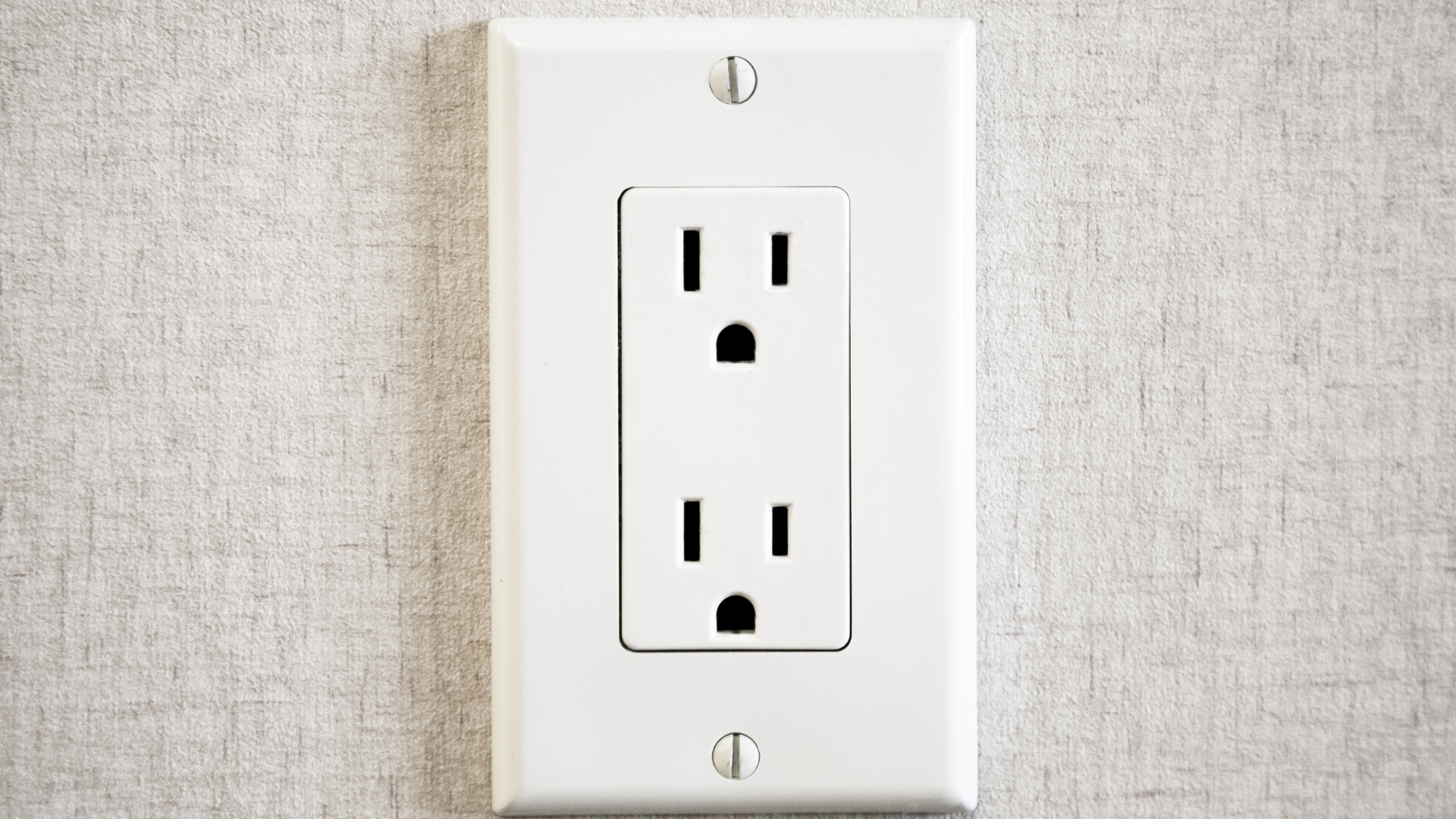
In 2021, an estimated 24,200 residential building electrical fires were reported to United States fire departments. Electrical fires can be hard to predict and spread quickly, causing damage to your property and putting the people in your household at risk. The most common causes of electrical fires are:
- Faulty or DIY wiring
- Overloaded circuits
- Misuse of extension cords and power strips
- Old appliances
- Faulty or DIY outlets
- Portable heaters
Dive into ways to prevent these culprits from causing electrical fires in your home, and learn how to spot signs your home might be at risk.
Protect Your Home from Electrical Fires
The main culprits of electrical fires fall in four main categories: appliances, outlets, extension cords, lighting and light switches, and home maintenance and hygiene.
Appliances
The appliances in your home may seem to be working fine, but there could be issues that don’t meet the eye. Follow these guidelines to prevent an electrical fire from starting with your refrigerator, washer and dryer, dishwasher, and other appliances:
- Plug major appliances directly into the wall outlet. Using an extension cord or power strip can cause the appliance to overheat and start a fire.
- Replace any appliances that have a cracked or damaged cord.
- Remove lint from your dryer’s lint trap after every cycle, and clean your dryer vent every six months to one year. Read our blog about dryer vent maintenance to keep your home safe.
- Avoid leaving bathroom ventilation fans on for long periods of time, especially when you’re sleeping or out of the house. As vent fans stay on, they get hotter, making accumulated dust or debris more likely to catch fire.
Outlets
Outlets feature many safety features like grounding, circuit breakers, and shutters to prevent electrical damage. That said, overloading outlets and overheating appliances can still cause fires. Here’s how to prevent outlet fires in your home:
- Avoid overloading outlets.
- Ensure plugs are fully plugged into sockets. If plugs fall out of the outlet easily, replace outlets so they have a tighter connection.
- Unplug phone chargers and small appliances like toasters and coffee makers when you aren’t using them.
- Don’t allow devices like space heaters, hair dryers and irons, and laptops overheat. Unplug them when they start to feel hot. For items that you charge like laptops and phones, unplug them once they reach full charge.
- Use GFCI outlets near water, like your washing machine, dishwasher, and in your bathroom. These types of outlets automatically turn off when they detect water, preventing electrical shortages.
Extension Cords, Power Strips, and Surge Protectors
Extension cords and power strips are a great way to plug in lamps, chargers, TVs, and more that wouldn’t otherwise reach. But, they’re not the best source of power for most appliances. Stay safe with these tips:
- Purchase and use power strips that have internal overload protection, automatically turning off power when too many devices are using its power. This prevents damage to the devices and the power strip itself.
- Avoid overloading power strips.
- Avoid damaged power strips and extension cords.
- Place cords where they can’t be damaged or pinched.
Lighting and Light Switches
Many people wire light switches and lighting themselves, making them have a higher risk for causing an electrical fire. There’s a lot of opportunity for using the wrong parts and causing faulty wiring. Use these tips to keep your light switches safe from fires:
- Hire a professional electrician to help you install lighting.
- If you’re installing a dimmer, make sure the light fixture can handle it. Not all switches are designed for dimming, and non-compatibility could result in flickering, overheating, and circuit damage.
- Keep flammable items away from lamps, light fixtures, and light bulbs. Use bulbs that match the recommended wattage on lamps and light fixtures.
Home Maintenance and Hygiene
Performing regular maintenance checks and keeping your home clean can prevent electrical fires from starting. Check these items off your list regularly to protect your home:
- Dust can be a major fire hazard. Avoid letting it accumulate, especially on major appliances and near outlets.
- If you notice pests, you’ll want to remove them sooner rather than later. Mice and other vermin can chew through electrical wires and cause damages.
- Schedule a regular electrical safety inspection to learn what you can do to protect your specific home.
Signs Your Home Might Be at Risk of an Electrical Fire
Like we mentioned earlier, electrical fires can start out of the blue. But, if you notice these signs, we recommend getting an electrical safety inspection to reduce your home’s chances of an electrical fire:
- Frequent power outages when weather isn’t a factor can signify faulty wiring, an overloaded circuit, and equipment failure.
- You may experience flickering or dimming lights when you have faulty switches, old wires, an incompatible bulb, or a circuit overload.
- If you notice sparks of electricity when you plug in appliances, your home may have poor wiring, a leak, improper repairs, and more.
- Burning smells near outlets and wires often mean an overloaded circuit, faulty wiring, or damage.
- Discolored or charred outlet covers may mean there’s a damaged or burned wire.
What to Do if an Electrical Fire Occurs
It’s important to establish a plan for how everyone in your household should leave safely and quickly. Evacuate the home as quickly as possible. If you can identify it as an electrical fire and can safely get to the breaker box, turn off the power there. Do not attempt to put the fire out yourself— call 911 to stop the fire from spreading.
Electrical fires pose a serious risk to homes, but with proactive prevention and maintenance, homeowners can significantly reduce the likelihood of such an incident. By understanding the common causes of electrical fires, inspecting major appliances and outlets regularly, and replacing outdated or damaged electrical components, homeowners can keep their homes safe.
Want more home maintenance tips? Read more from our blog!
Categories
Recent Posts








GET MORE INFORMATION